 +7 (988) 379-41-22






Agricultural machinery balancing machines
- Балансировка сушильного барабана
- Балансировочный станок для дробилок
- Балансировочный станок для измельчителей
- Балансировочный станок для измельчителя комбайна
- Балансировочный станок для измельчителя
- Балансировочный станок для шнеков
- Балансировочный станок для сушилки
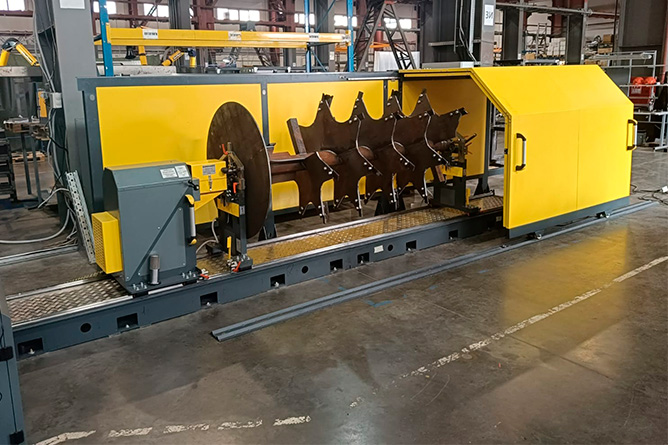
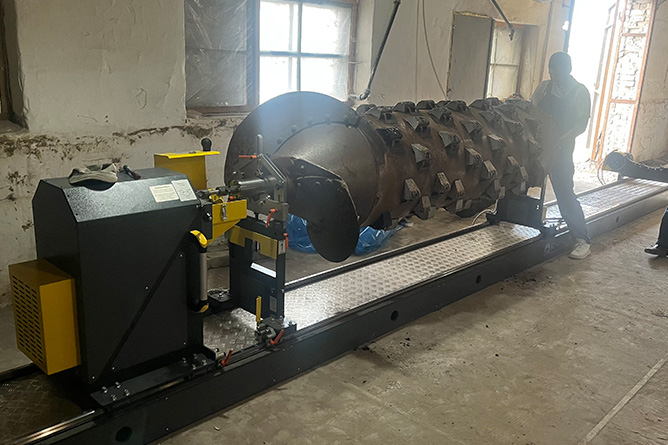
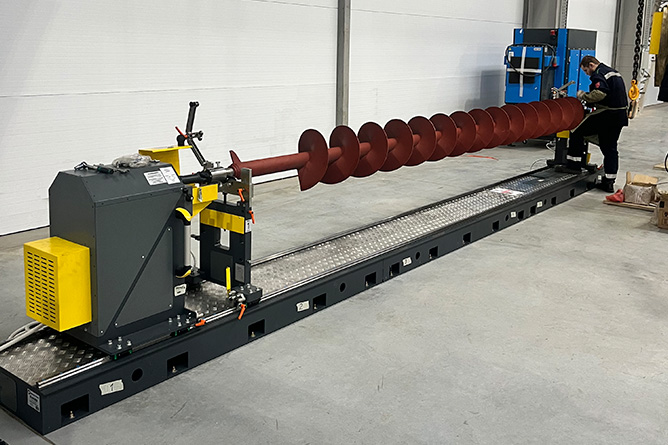
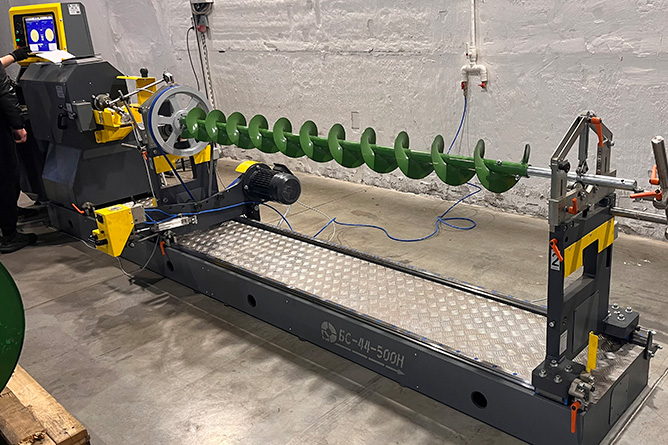
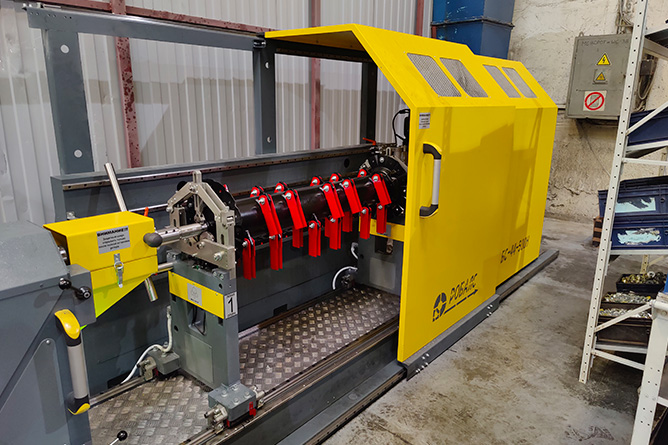
Balancing machine for agricultural machinery is equipment designed to detect and eliminate imbalance in rotating components of agricultural equipment such as combine drums, header rotors, auger shafts, flywheels, shredders, drive shafts and many other parts. Balancing with such machine helps: reduce vibration and noise during operation, decrease load on bearings and other components, extend unit service life, improve agricultural machinery efficiency.
Most Applicable
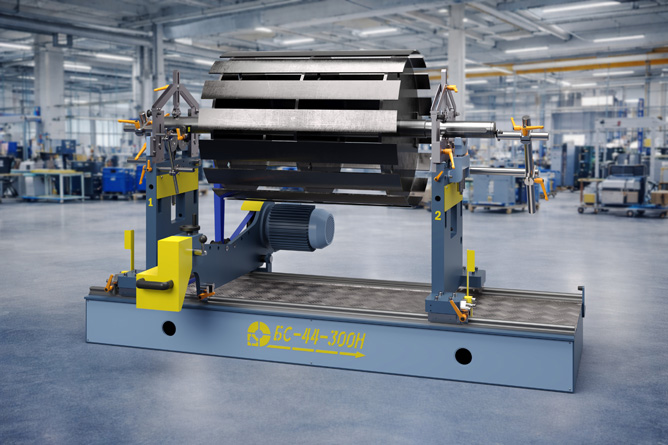
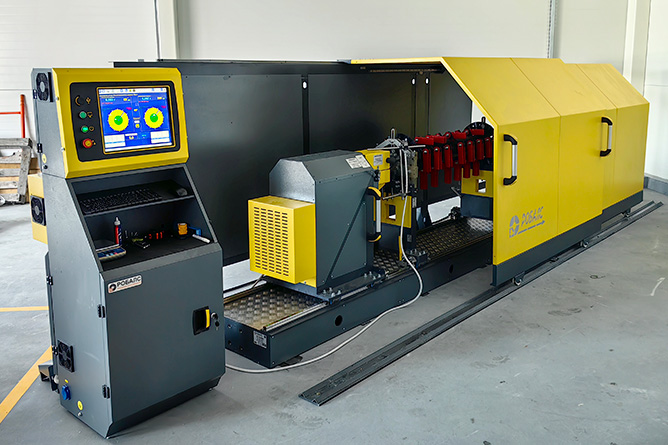
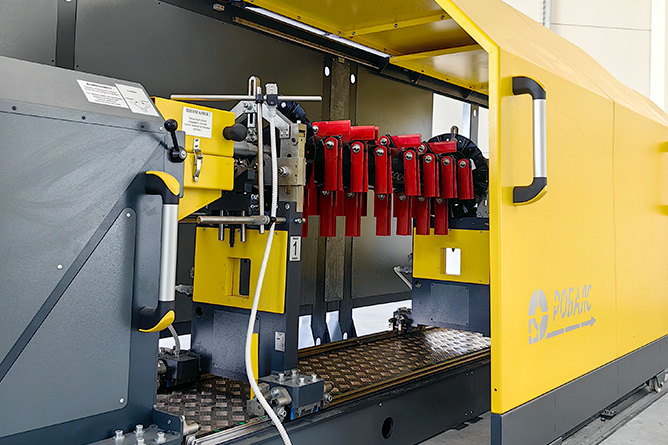
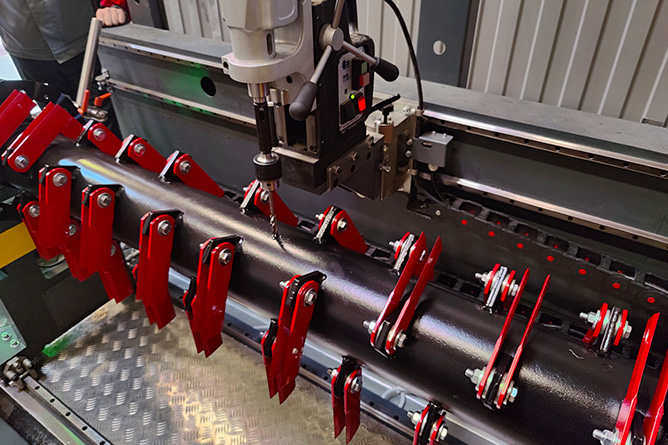
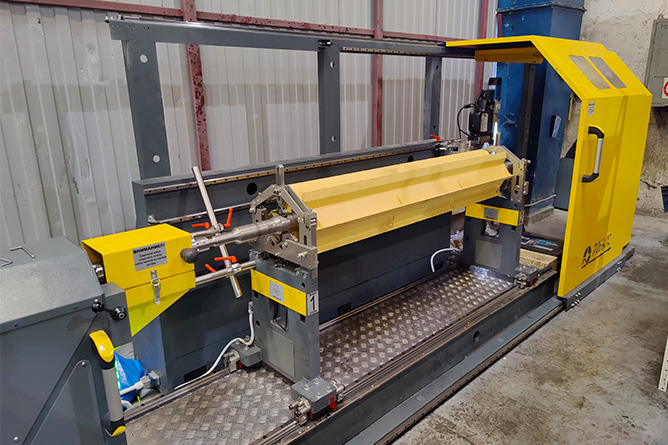
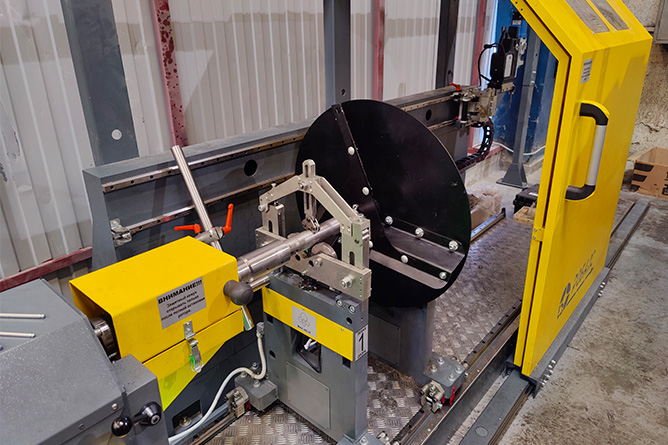
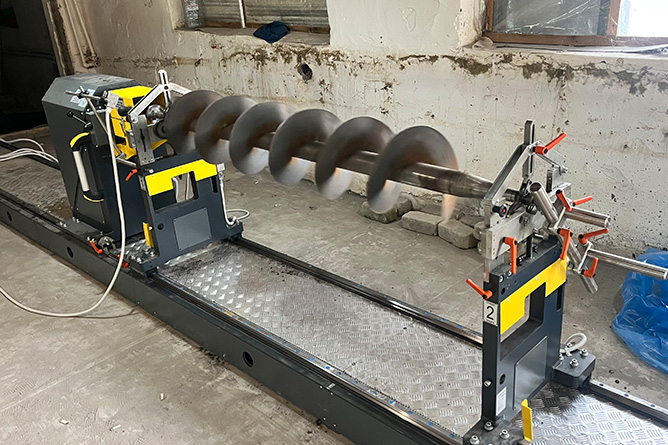
BS-44-300H
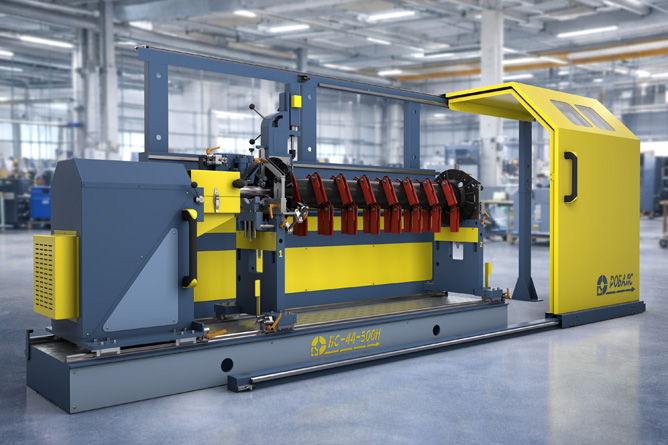
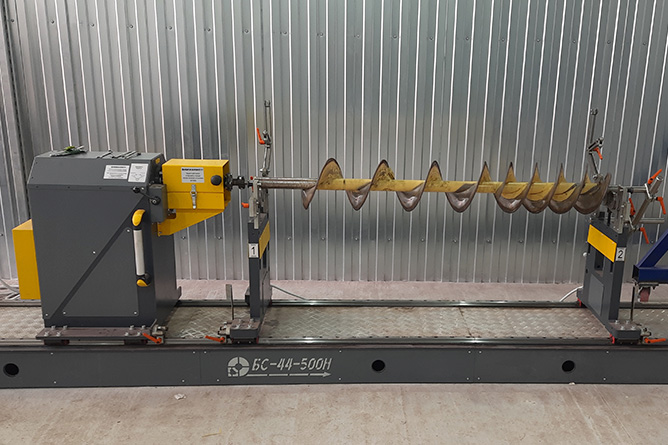
BS-44-500H
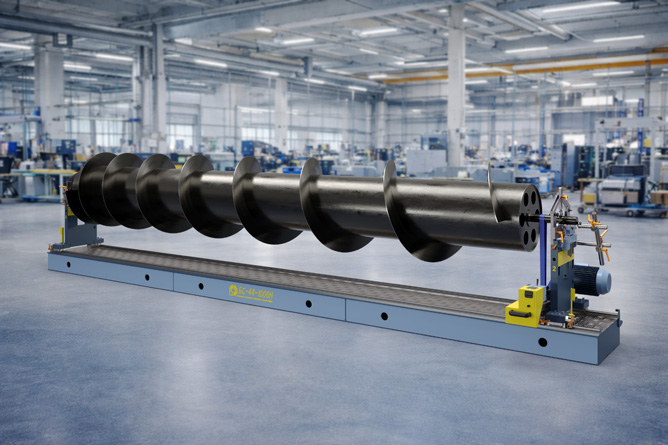
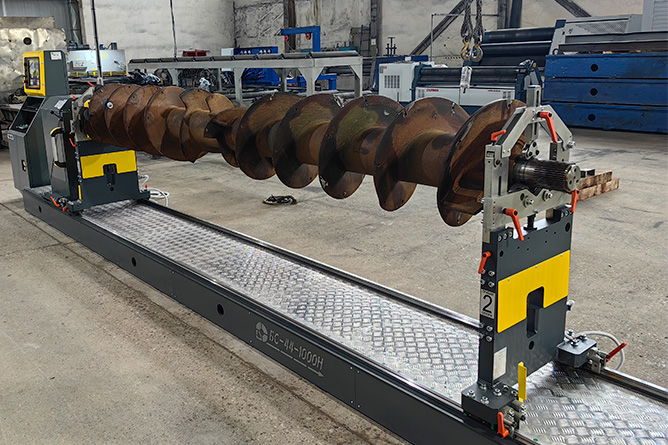
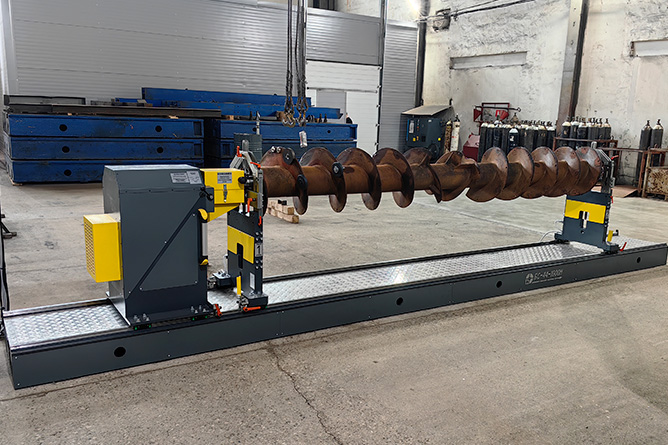
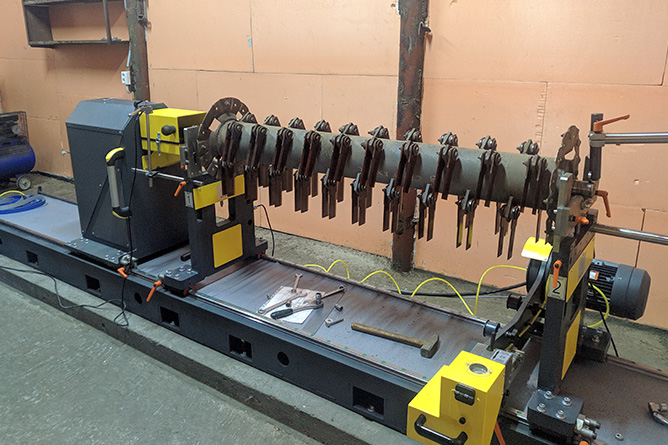
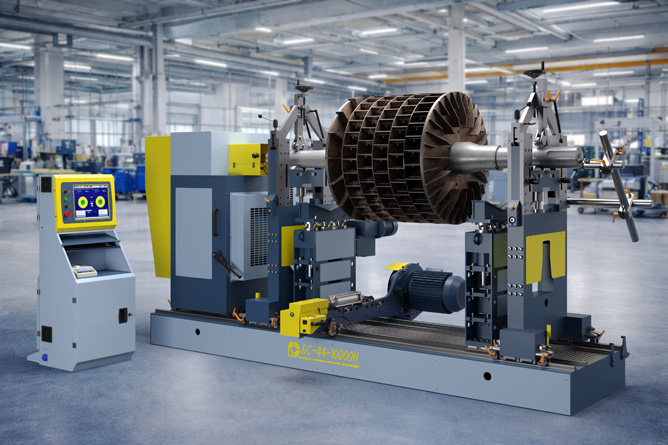
BS-44-1000H
Might Suit Your Tasks
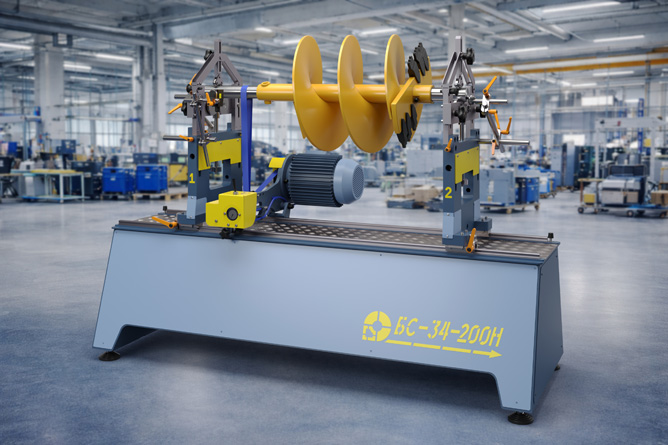
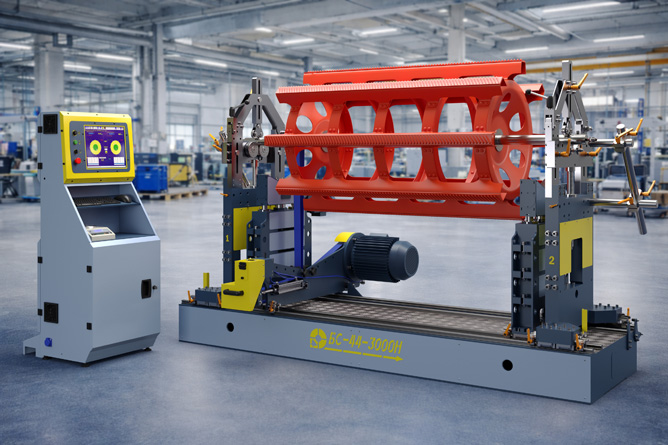
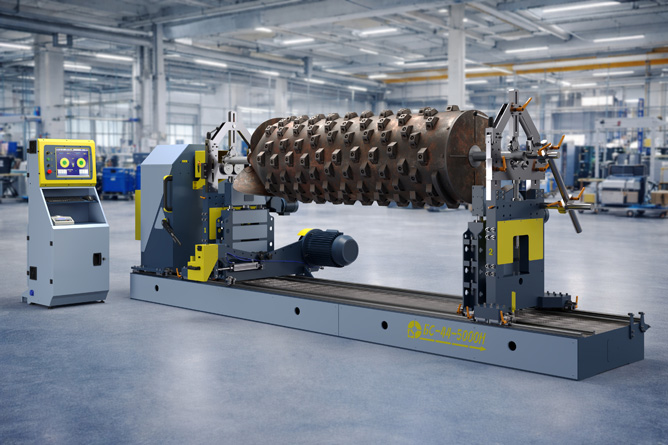
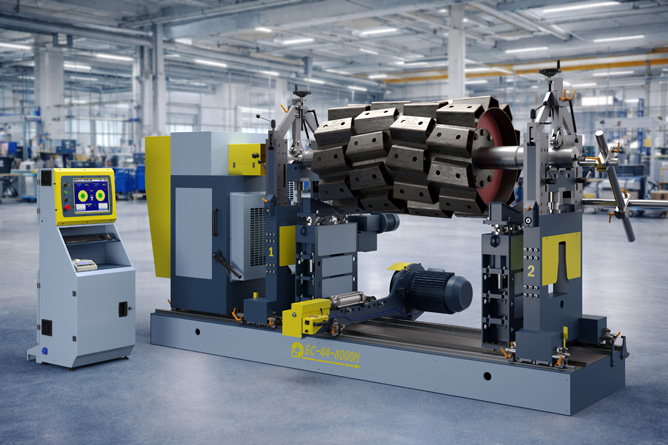
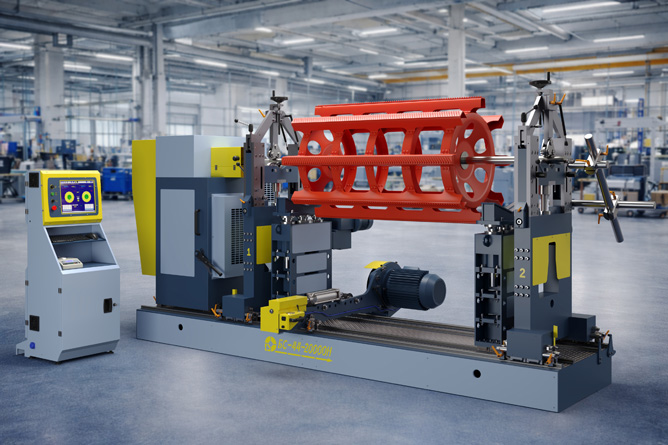
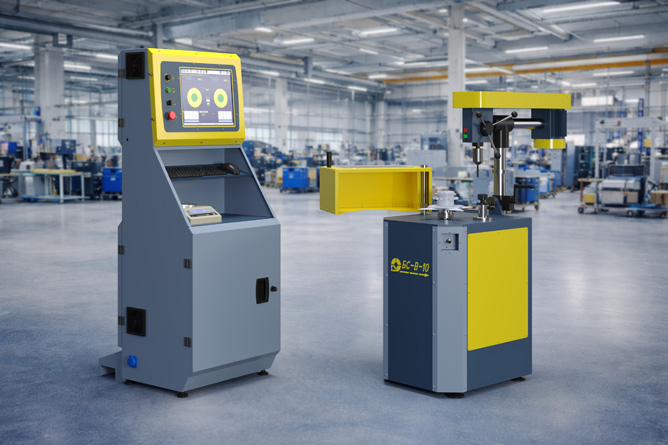
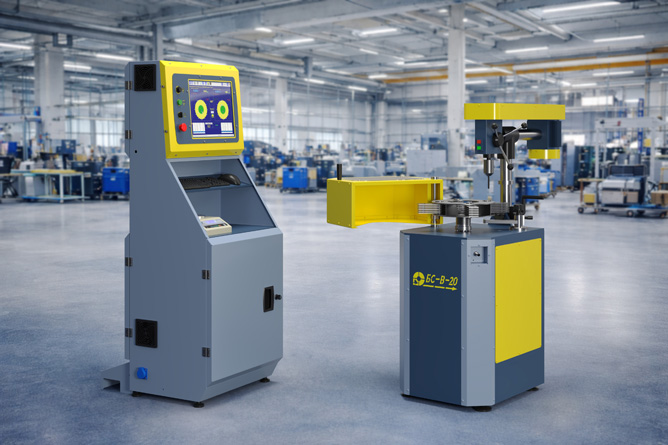
| Rotor weight to be balanced, kg | Rotor diameter to be balanced, mm | Distance between rotor journal centers, mm | Rotor journal diameter, mm | Minimum achievable residual unbalance | Drive power, kW | Drive type | Machine dimensions L×H×W, mm | Mechanical part weight (with standard bed), kg | Power supply voltage V/Hz/Phases | |
|---|---|---|---|---|---|---|---|---|---|---|
| BS-24-5H | 0,02 - 5 | 5-420 | 15-350 | 5-30 | 0,05 | 0,09 | Belt | 440х400х800 | 47 | 220/50/1 |
| BS-24-8H | 0,02 - 10 | 5-400 | 20-550 | 5-30 | 0,05 | 0,37 | Belt | 670х420х360 | 68 | 220/50/1 |
| BS-24-20H | 0,02 - 20 | 5-420 | 20-550 | 5-32 | 0,05 | 0,37 | Belt | 670х420х360 | 73 | 220/50/1 |
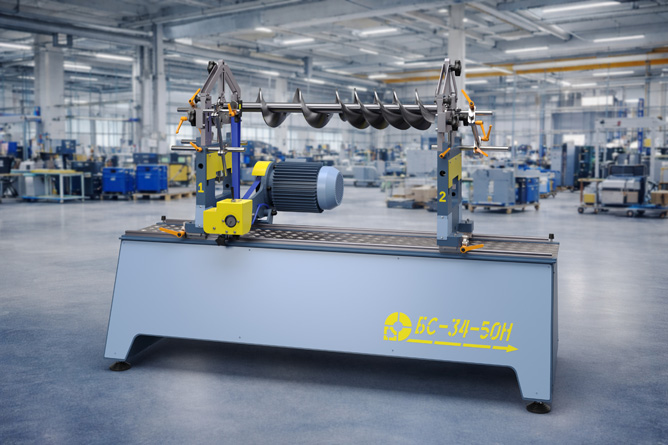
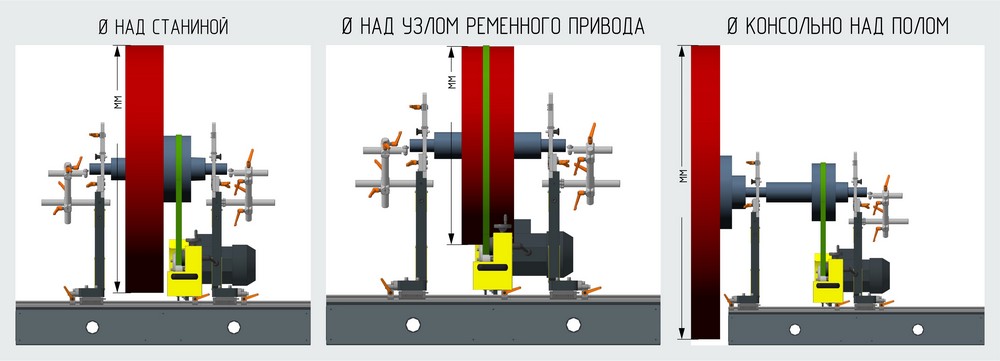
| BS-34-50H | 0,2 - 60 | 1040 * | 20-1260 * | 11-160 | 0,05 | 0,75 | Belt / Cardan / Combined | 1550х1100х800 | 610 | 380/50/3 |
| BS-34-50S | 0,2 - 60 | 1000 * | 20-1200 * | 12-160 | 0,05 | 0,75 | Belt / Cardan / Combined | 1550х1100х800 | 590 | 380/50/3 |
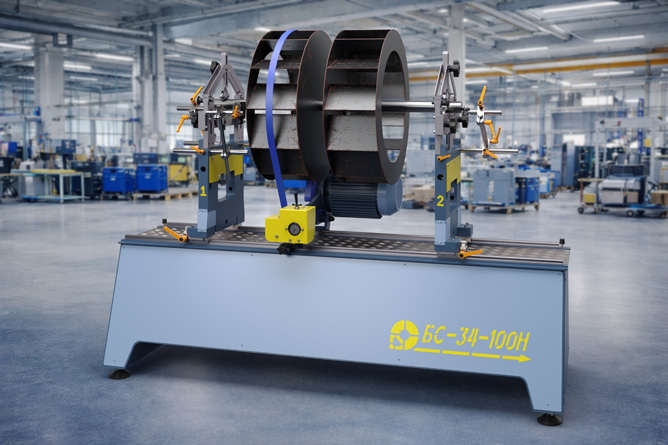
| BS-34-100H | 0,5 - 150 | 1070 * | 20-1450 * | 10-170 | 0,05 | 1,1 | Belt / Cardan / Combined | 1700х1100х820 | 770 | 380/50/3 |
| BS-34-100S | 0,5 - 150 | 1000 * | 20-1400 * | 12-160 | 0,05 | 1,1 | Belt / Cardan / Combined | 1700х1100х820 | 690 | 380/50/3 |
| BS-34-200H | 0,5 - 200 | 1070 * | 20-1450 * | 10-170 | 0,05 | 1,5 | Belt / Cardan / Combined | 1700х1100х820 | 790 | 380/50/3 |
| BS-34-200S | 0,5 - 200 | 1000 * | 20-1200 * | 12-160 | 0,05 | 1,5 | Belt / Cardan / Combined | 1700х1100х820 | 750 | 380/50/3 |
| BS-44-300H | 1,6 - 400 | 1500 * | 10/80-1700 * | 15-190 | 0,05 | 4,0 | Belt / Cardan / Combined | 2000х1200х1200 | 680 | 380/50/3 |
| BS-44-300S | 1,6 - 400 | 1600 * | 10/80-1650 * | 12-140 | 0,05 | 4,0 | Belt / Cardan / Combined | 2000х1200х1200 | 630 | 380/50/3 |
| BS-44-500H | 3 - 700 | 1500 * | 10/80-1700 * | 20-180 | 0,05 | 5,5 | Belt / Cardan / Combined | 2000х1200х1200 | 790 | 380/50/3 |
| BS-44-500S | 5 - 600 | 1600 * | 10/80-1650 * | 12-140 | 0,05 | 5,5 | Belt / Cardan / Combined | 2000х1200х1200 | 740 | 380/50/3 |
| BS-44-1000H | 5 - 1500 | 1700 * | 30/120 - 1650 * | 20-230 | 0,1 | 11,0 | Belt / Cardan / Combined | 2000х1400х1400 | 1170 | 380/50/3 |
| BS-44-1000S | 5 - 1500 | 1850 * | 30/120 - 1550 * | 15-250 | 0,1 | 11,0 | Belt / Cardan / Combined | 2000х1400х1400 | 1085 | 380/ 50/ 3 |
| BS-44-3000H | 16 - 4000 | 2400 * | 30/135 - 1500 * | 25-270 | 0,1 | 18,5 | Belt / Cardan / Combined | 2000х1600х1400 | 1900 | 380/ 50/ 3 |
| BS-44-3000S | 16 - 4000 | 2300 * | 30/135 - 1480 * | 20-290 | 0,1 | 18,5 | Belt / Cardan / Combined | 2000х1600х1400 | 1799 | 380/ 50/ 3 |
| BS-44-5000H | 30 - 6000 | 2400 * | 40/140 - 3500 * | 20-300 | 0,2 | 22,0 | Belt / Cardan / Combined | 2000х1750х1400 | 2150 | 380/ 50/ 3 |
| BS-44-5000S | 30 - 6000 | 2250 * | 40/140 - 3400 * | 20-350 | 0,2 | 22,0 | Belt / Cardan / Combined | 2000х1750х1400 | 2050 | 380/ 50/ 3 |
| BS-44-8000H | 30 - 8000 | 2850 * | 65/250-5700 * | 20-310 | 0,25 | 30,0 | Belt / Cardan / Combined | 4000х1700х1900 | 4150 | 380/ 50/ 3 |
| BS-44-8000S | 30 - 8000 | 2750 * | 65/250-5650 * | 20-400 | 0,25 | 30,0 | Belt / Cardan / Combined | 4000х1700х1900 | 3980 | 380/ 50/ 3 |
| BS-44-10000H | 80 - 10000 | 2850 * | 70/280-5700 * | 20-310 | 0,25 | 37,0 | Belt / Cardan / Combined | 4000х1700х2000 | 4350 | 380/ 50/ 3 |
| BS-44-10000S | 50 - 10000 | 2750 * | 70/280-5650 * | 20-400 | 0,25 | 37,0 | Belt / Cardan / Combined | 4000х1700х2000 | 4250 | 380/ 50/ 3 |
| BS-44-20000H | 100 - 20000 | 2850 * | 5650 * | 25-500 | 0,4 | 55 | Belt / Cardan / Combined | 7000х2200х2000 | 6550 | 380/ 50/ 3 |
| BS-44-20000S | 1000 - 20000 | 2750 * | 5400 * | 25-500 | 0,4 | 55 | Belt / Cardan / Combined | 7000х2200х2000 | 6230 | 380/ 50/ 3 |
| BS-В-10 | 0,5 - 10 | up to 600 | 0.2 | 0,55 | 500х1500х650 | 180 | 380/50/3 | |||
| BS-В-20 | 1,0 - 20 | up to 600 | up to 0.5 | 0,75 | 750х750х800 | 240 | 380/50/3 | |||
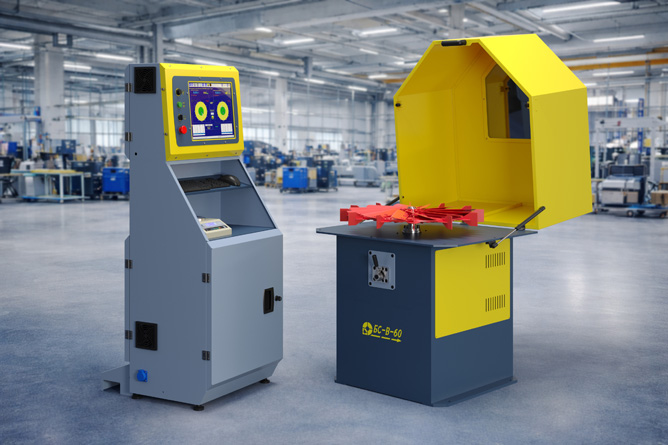
| BS-В-60 | 1,0 - 65 | up to 800 | up to 0.5 | 2,2 | 1100х1100х1250 | 540 | 380/50/3 | |||
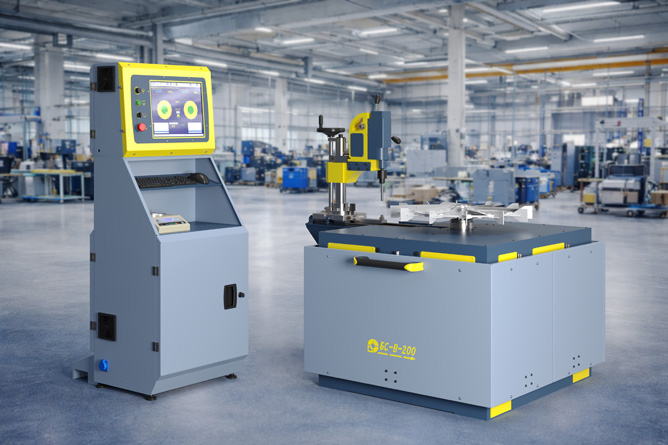
| BS-В-200 | 1,0 - 200 | up to 1000 | up to 1 | 5,5 | 1200х1200х850 | 1750 | 380/50/3 | |||
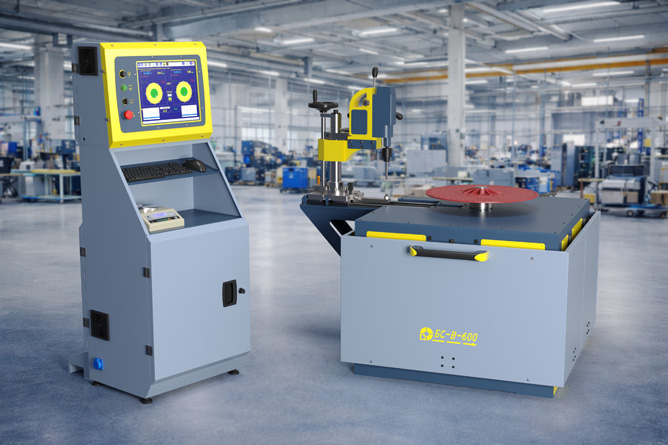
| BS-В-600 | 5,0 - 600 | up to 1300 | до 2 | 11 | 1430х1430х890 | 2340 | 380/50/3 | |||
| BS-44-1250 | 5 - 300 | 100-1250 | 0,3 | 18,5 | Direct | 1500х1200х800 | 700 | 380V/50 Hz/3 phases |
The table contains data related to the standard machine configuration. Most parameters can be modified upon customer request.


Balancing Machines for Agricultural Machinery and Equipment
Attachments for agricultural machinery, such as shredders, augers, and threshing drums, face constant high dynamic loads. Like all rotating components—shafts, gears, rotors, and drums—they are prone to becoming unbalanced during operation. This leads to vibration, noise, overheating, and, consequently, damage to agricultural machinery units and assemblies. Periodic balancing of these components helps avoid these problems, reducing the risk of breakdowns and unexpected downtime.
Horizontal balancing machines are adapted for working with a wide range of agricultural assemblies. They can be used both in large production workshops and in repair shops, ensuring balancing accuracy and quality. Integrating these machines into the agricultural equipment maintenance and repair process will help maintain high operational readiness standards and save resources that would otherwise be spent on major overhauls or part replacements.
If you have any questions regarding the application of balancing machines or want to learn more about their potential use at your enterprise, the managers of RobalS LLC are always ready to provide the necessary consultation and assist in selecting equipment that meets your needs.
Horizontal balancing machines are designed to eliminate imbalance in agricultural machinery parts such as shafts, pulleys, rotors, augers, threshers, and other rotating elements. This equipment is crucial for ensuring the stable and durable operation of machines subjected to high daily loads in the agricultural sector. Imbalance can lead to uneven mass distribution, causing vibration, bearing wear, and a decrease in the overall productivity of the equipment.
One of the key features of the horizontal balancing machines from RobalS LLC is their ability to handle a wide range of parts of various sizes and masses. The machines allow for precise determination of the degree of imbalance and its correction with high accuracy, which is especially important in the repair and manufacturing of agricultural machinery.
In the agricultural industry, equipment operates under harsh conditions, where not only precision but also the reliability of the equipment and machines used is always important. They must deliver stable results over a long period, minimizing the need for frequent maintenance of the machine itself. The technologies used in our machines not only measure imbalance but also automatically suggest optimal solutions for its elimination, speeding up the process and making it less dependent on the human factor.
It is also important to note that our balancing machines can be integrated into automated production management systems, making them particularly useful for large agricultural enterprises that require high productivity and quality control. Collectively, all these features make the horizontal balancing machines from RobalS LLC indispensable in the process of repairing and manufacturing agricultural machinery.
The operation of horizontal balancing machines is based on measuring and correcting the imbalance of rotating parts. Imbalance occurs when the mass of a part is unevenly distributed relative to its axis of rotation.
One of the most critical stages is the accurate measurement of the imbalance magnitude. For this purpose, our machines are equipped with highly sensitive sensors that detect the slightest deviations. Modern technologies allow for measuring imbalance with micron-level precision, ensuring a high quality of balancing. After correction, the part is rotated again and re-measured to confirm the elimination of the imbalance.
complexities in the balancing process can arise when working with large and heavy parts typical of agricultural machinery. In such cases, the machine's power, stability, and ability to maintain stable operating parameters throughout the process play a crucial role. Thanks to the use of modern technologies and materials, these challenges are effectively addressed in our horizontal balancing stands.
It is very important to select the optimal equipment depending on the specific tasks of the production and the types of parts to be worked on. Differences between machines lie not only in their size and power but also in functional capabilities, such as process automation and the level of balancing accuracy.
Some machines used in the agricultural sector are designed for balancing small and medium-sized parts, such as pulleys, shafts, and rotors. These machines are compact and easy to install in repair shops with limited space. They are equipped with basic functions that allow for quick and precise imbalance elimination. Such machines are suitable for regular use and are indispensable for daily work.
For handling large-sized units, such as shafts of large agricultural machines or heavy drums, more powerful machines are used. These models are characterized by increased stability and can withstand significant loads. They are equipped with an automatic balancing system, which significantly simplifies the process, especially when working with parts requiring high precision. Such machines are most often installed in large production workshops where extensive repair work is necessary.
A separate category consists of machines with integrated control systems that can be connected to the overall production monitoring and management system. These machines are used in large agro-industrial enterprises where not only part balancing is required but also the accounting and analysis of production data. This makes the agricultural equipment maintenance and repair process more transparent and manageable, allowing for timely responses to emerging problems.
There are also universal balancing machines that can be adapted to various types of parts. They are equipped with interchangeable fixtures and flexible settings, allowing them to be used for a wide range of tasks. These machines are particularly useful in small workshops where high equipment versatility is required.
Each of these types of machines has its advantages and is designed to solve specific tasks in the agricultural industry. Choosing the right machine optimizes the process of repairing and manufacturing agricultural machinery, ensuring high quality and durability of parts. If you find it difficult to make the right choice, contact the managers of RobalS LLC to determine the brand and model of the machine that best suits your tasks!