 +7 (988) 379-41-22






Above-resonance balancing machines
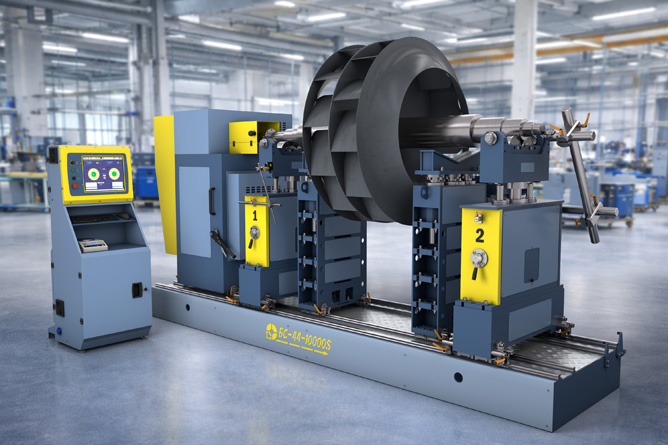
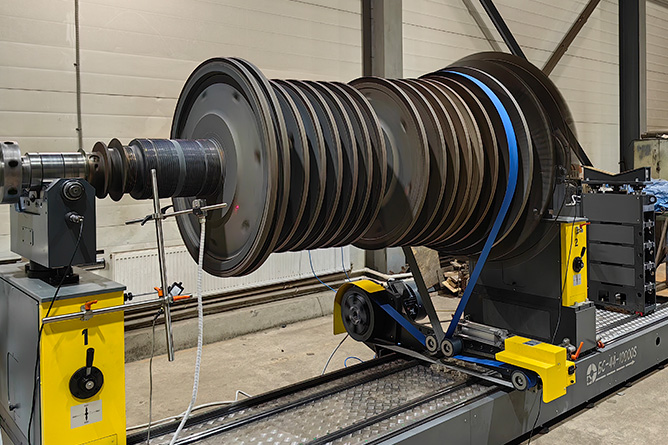
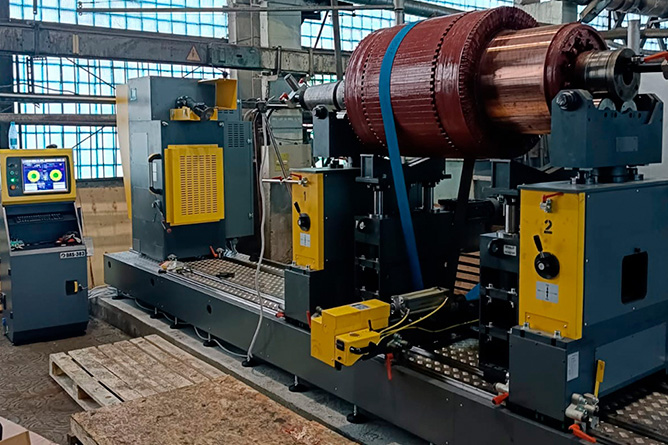
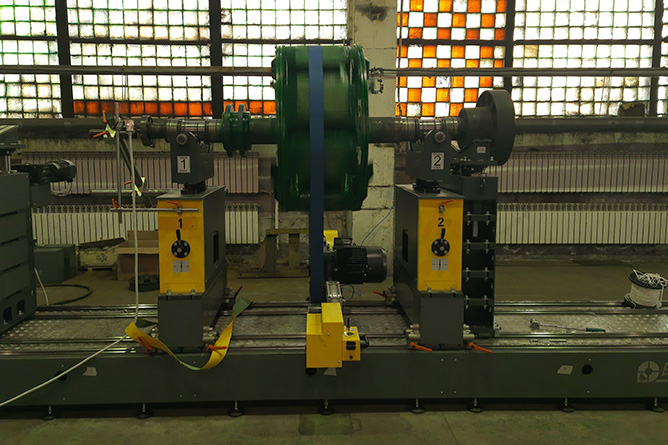
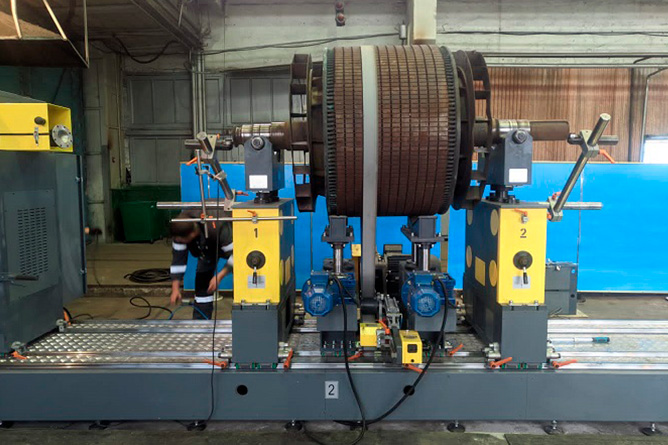
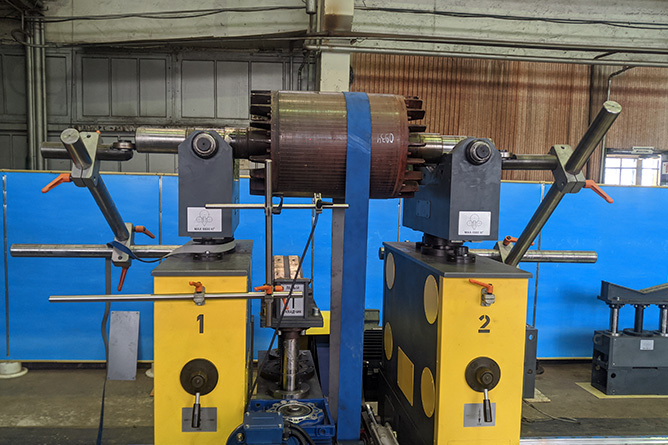
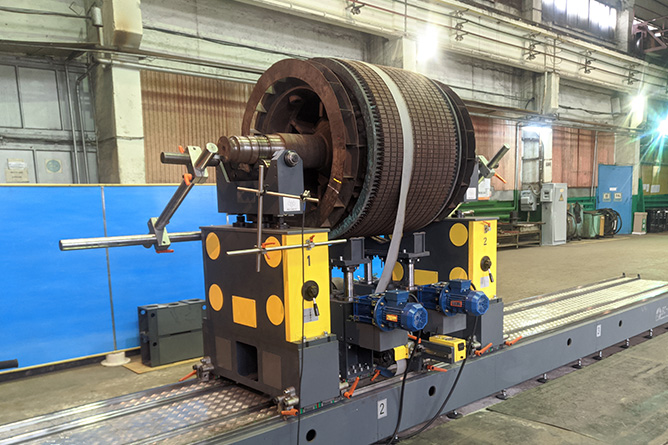
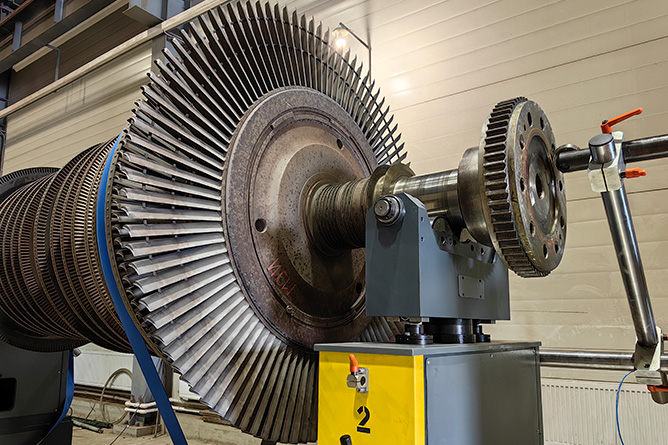
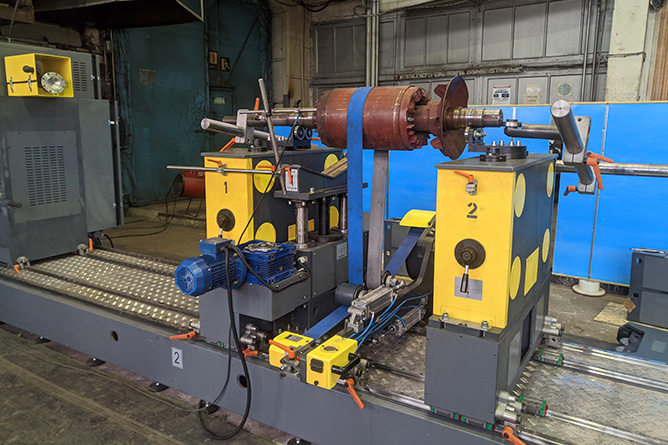
Over-resonance balancing machine is equipment designed for balancing rotors at speeds exceeding resonant frequencies. Advantages of such machines include the ability to install on uneven low-quality surfaces without fastening, and freely move the machine using the "Machine to rotor" approach.
Most Applicable
Might Suit Your Tasks
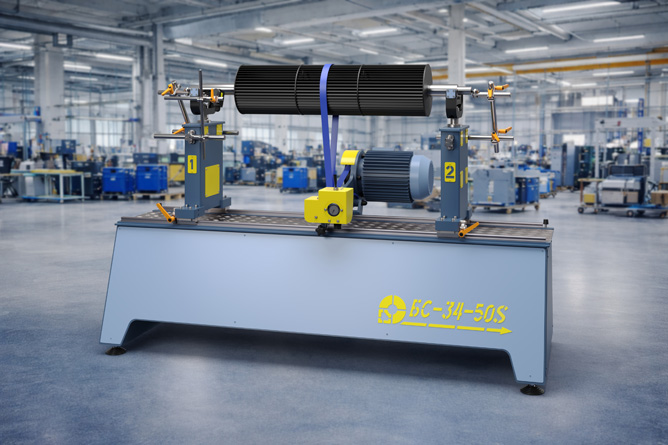
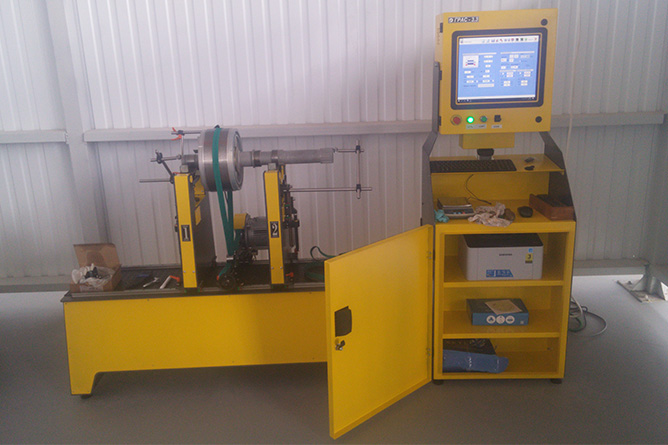
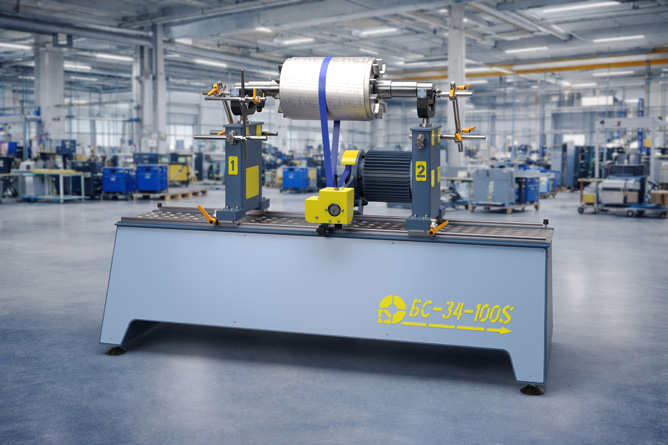
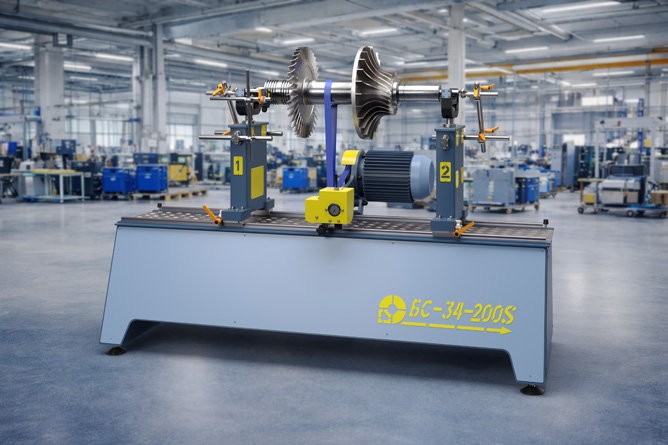
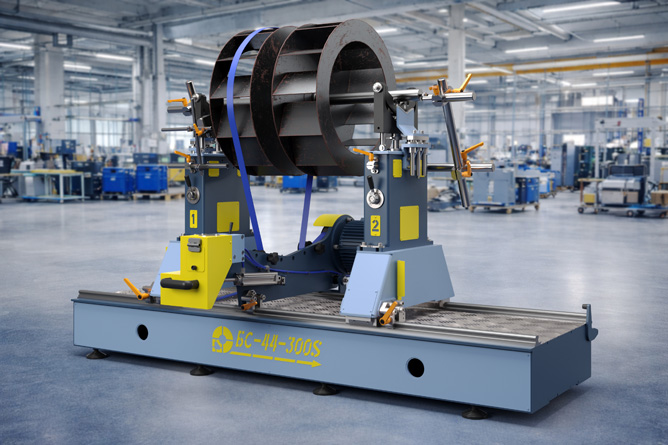
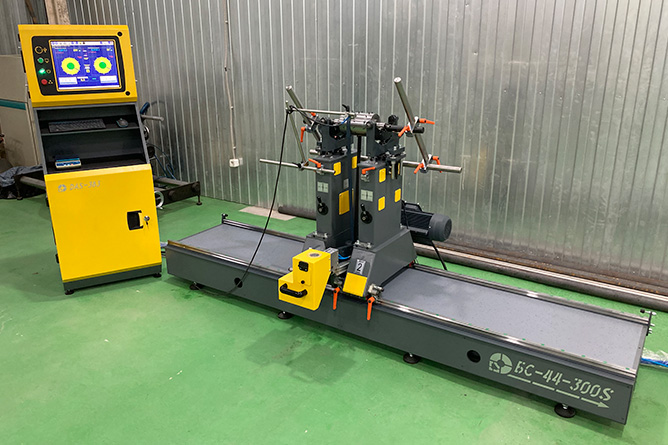
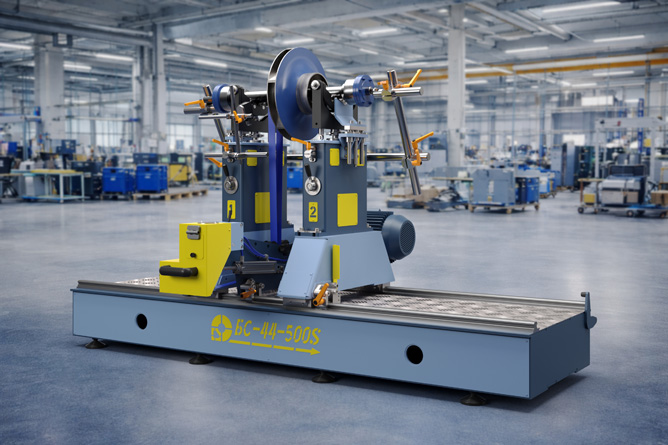
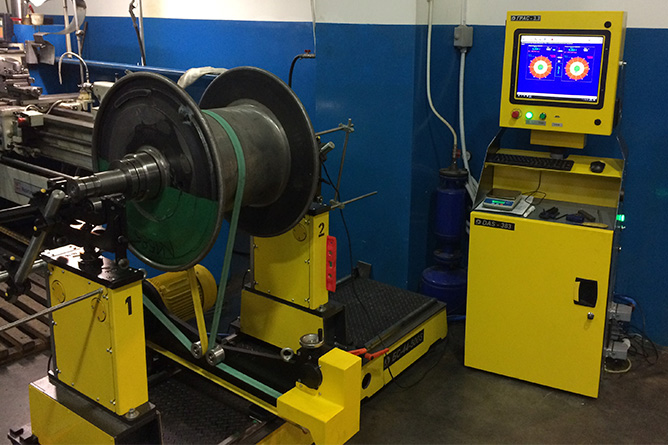
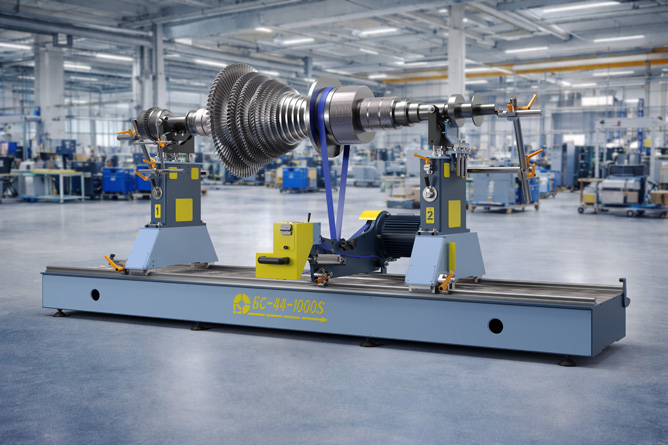
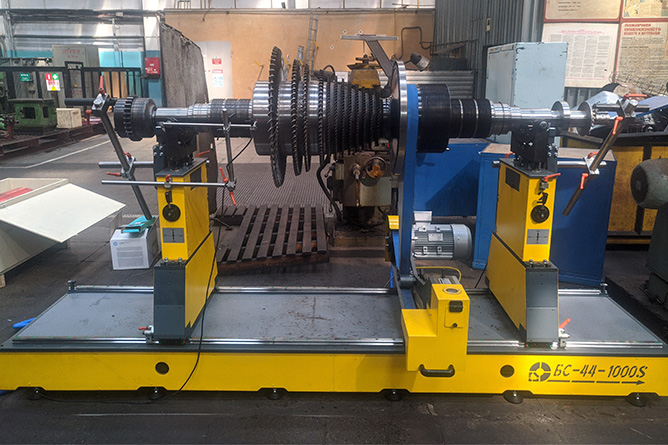
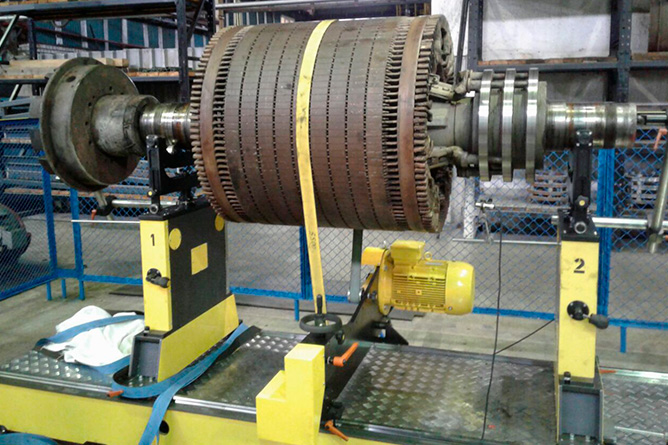
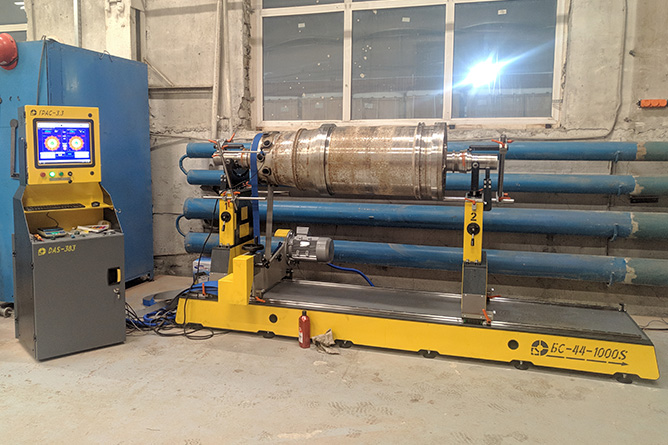
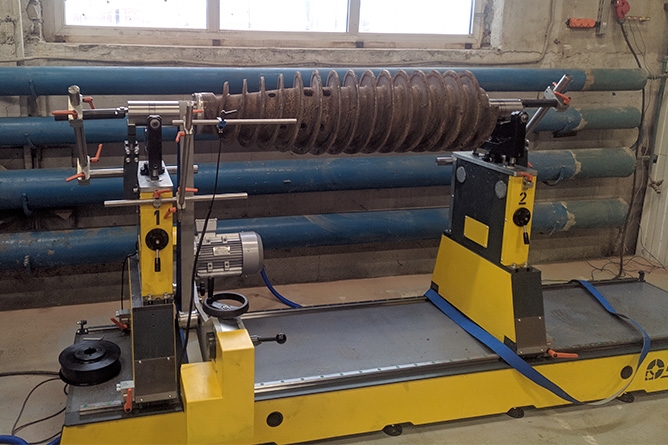
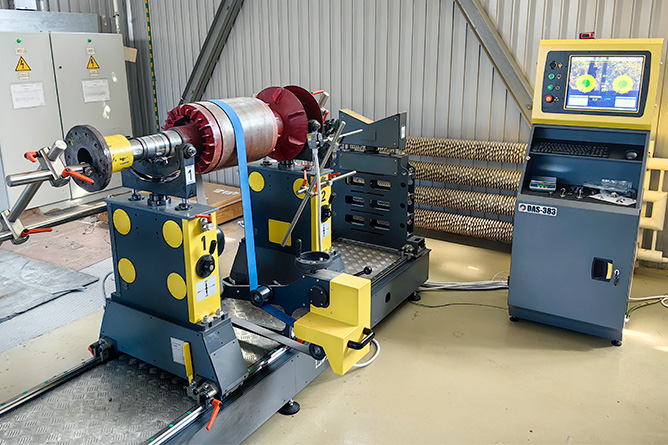
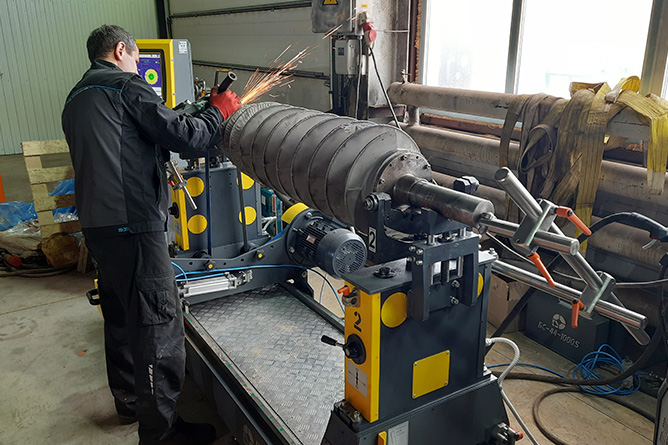
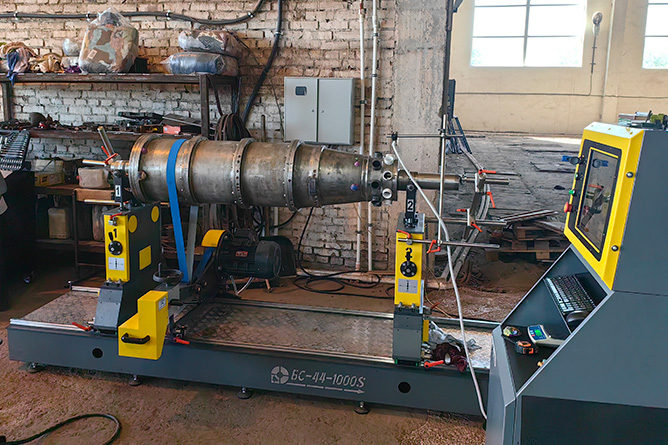
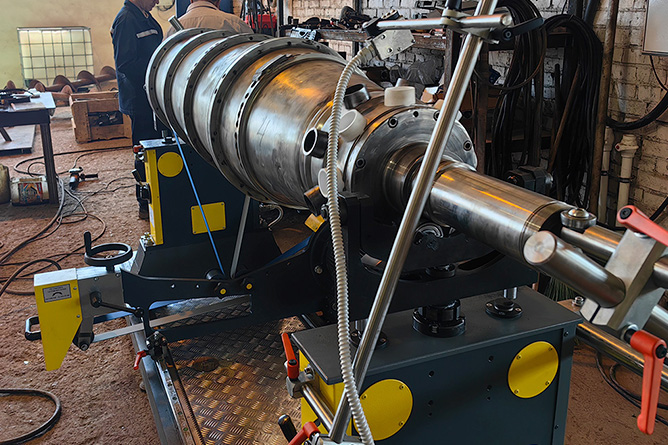
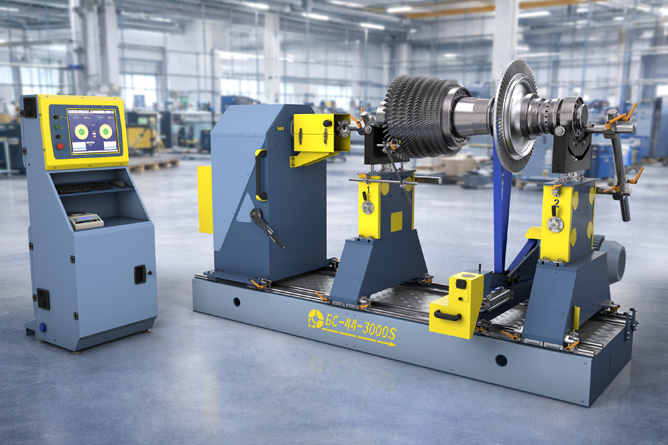
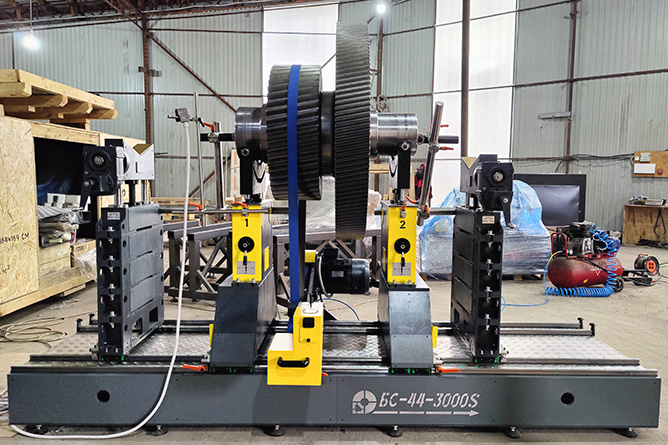
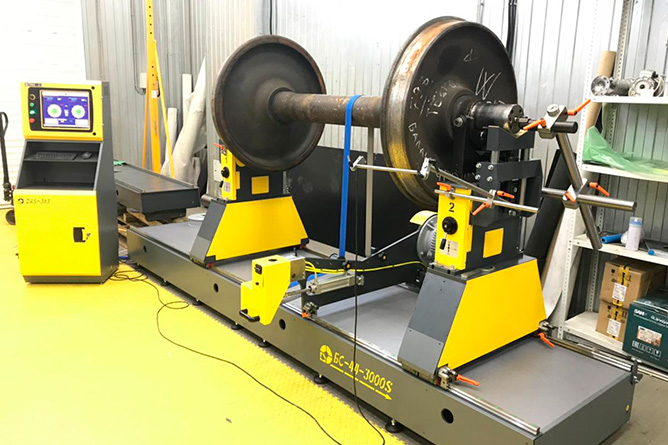
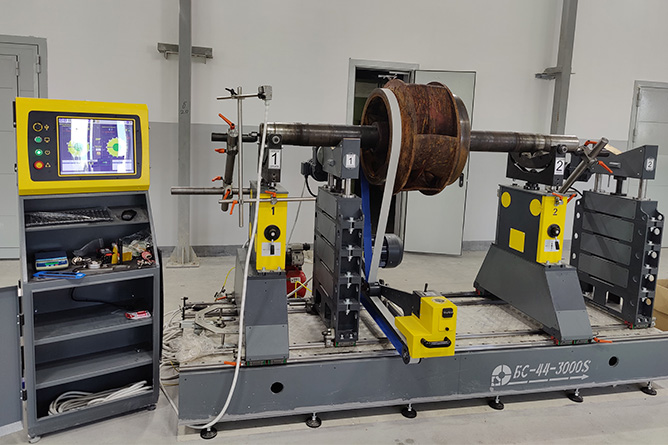
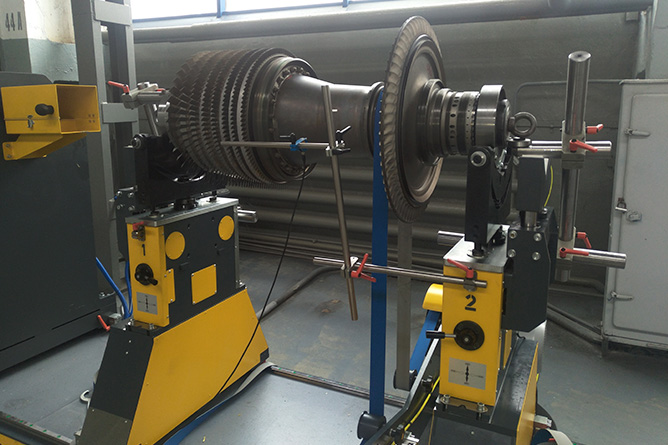
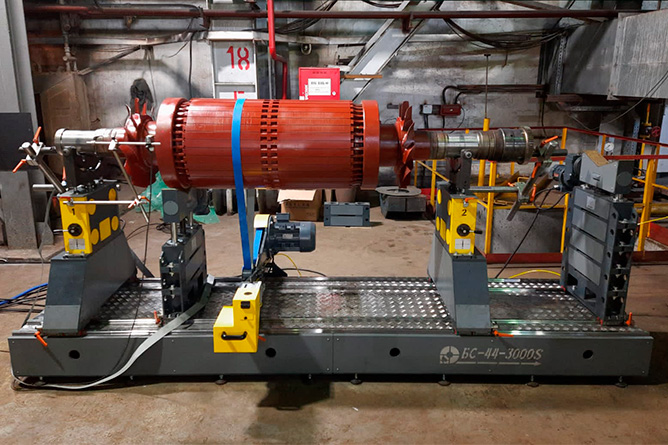
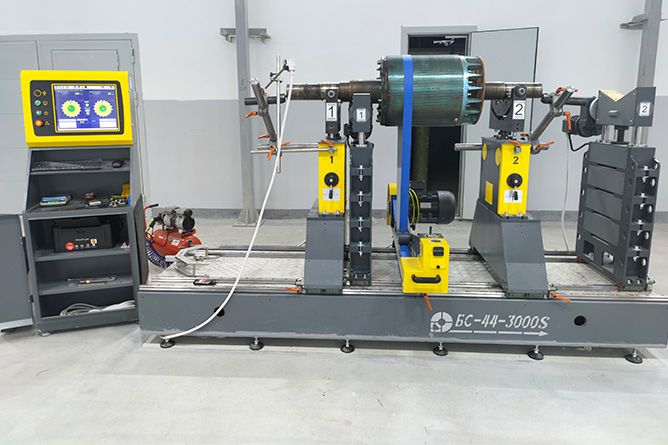
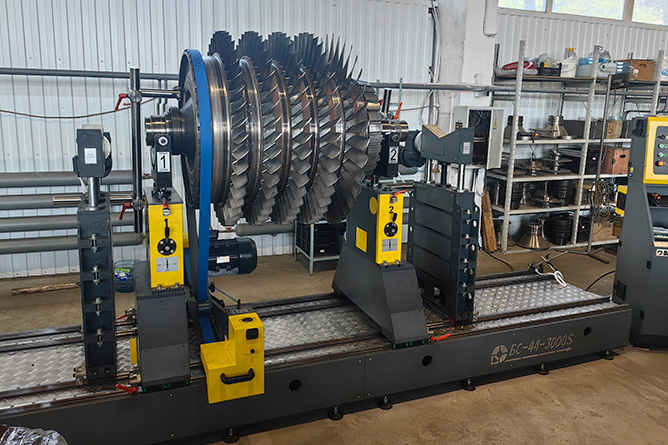
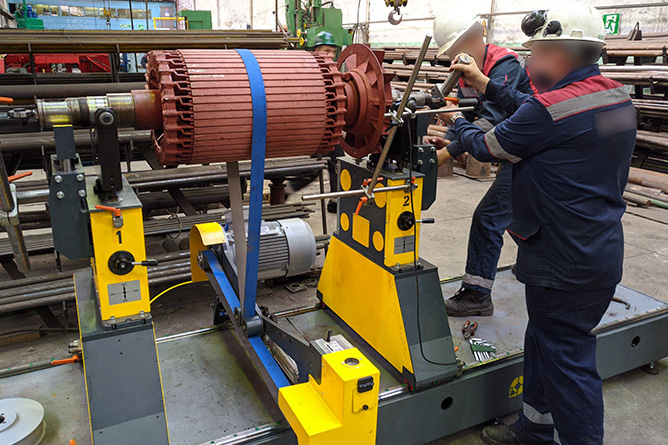
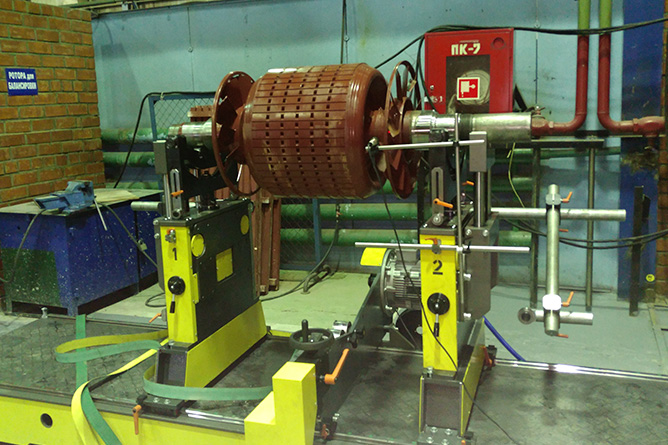
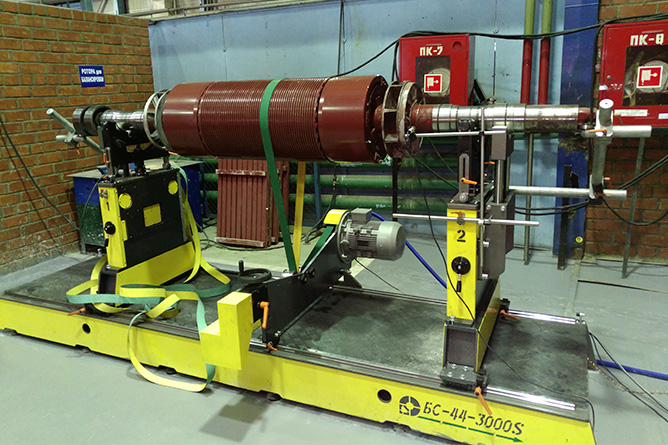
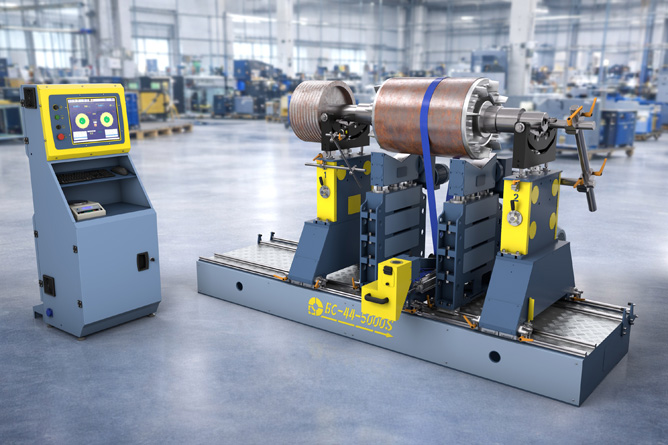
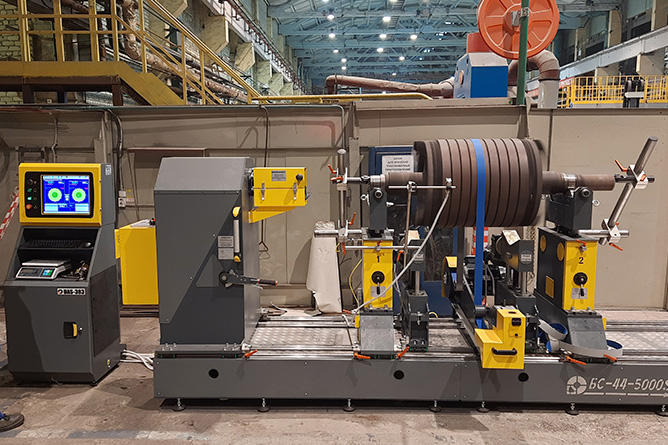
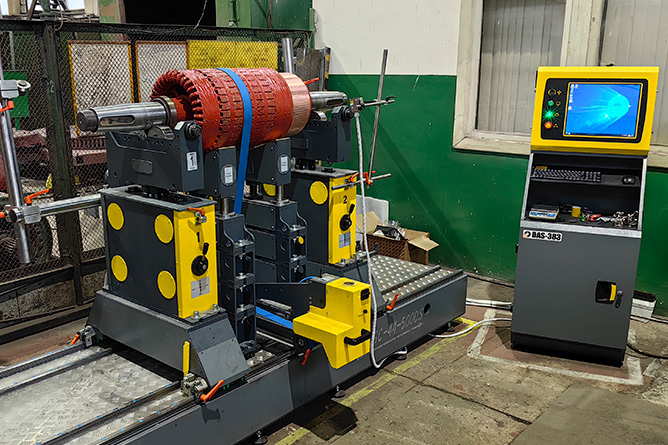
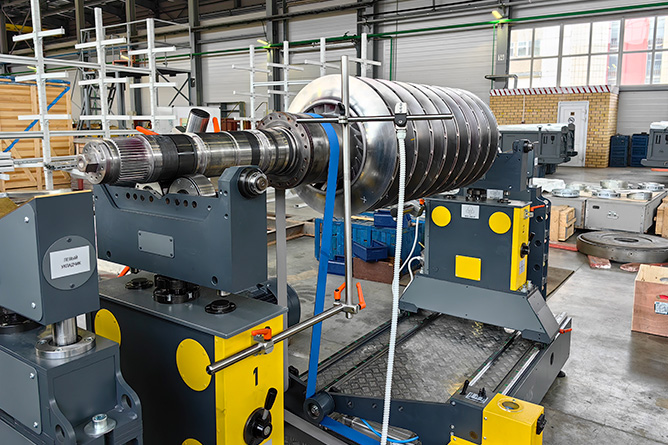
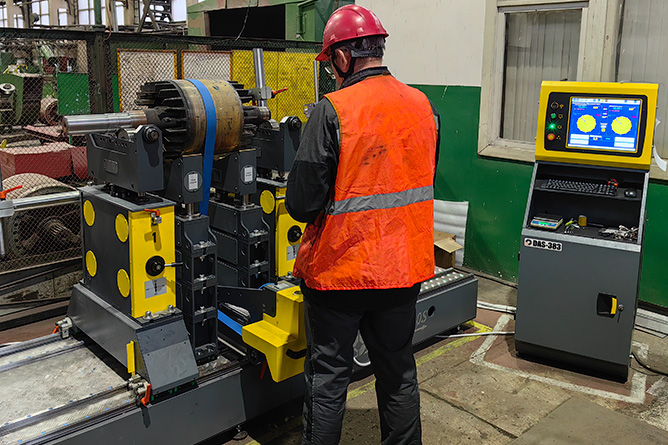
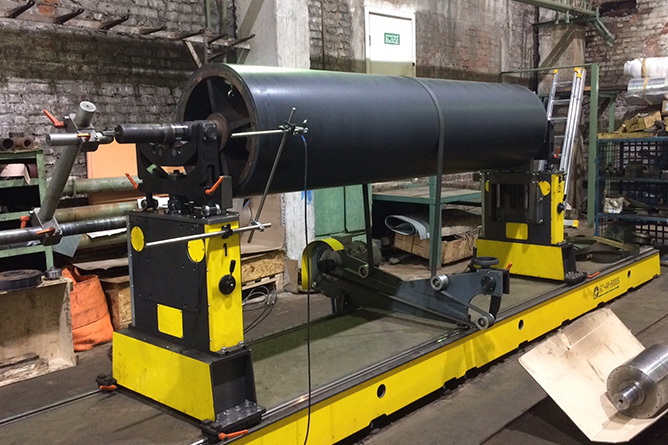
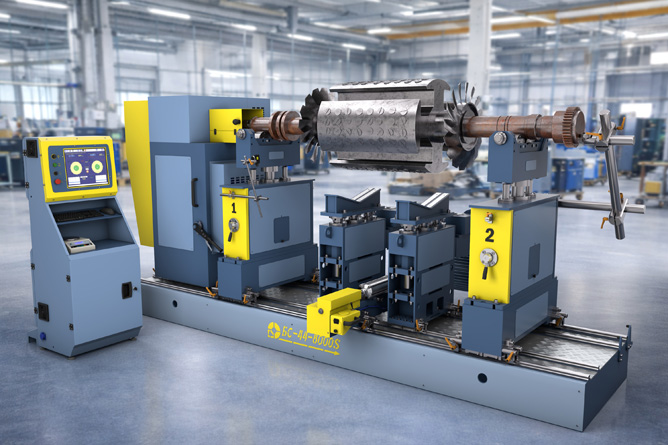
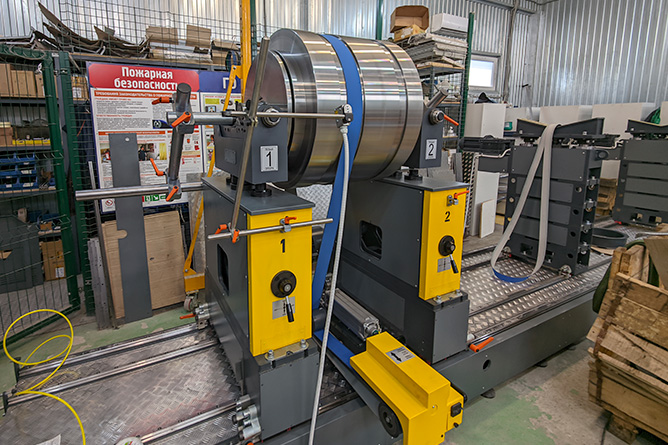
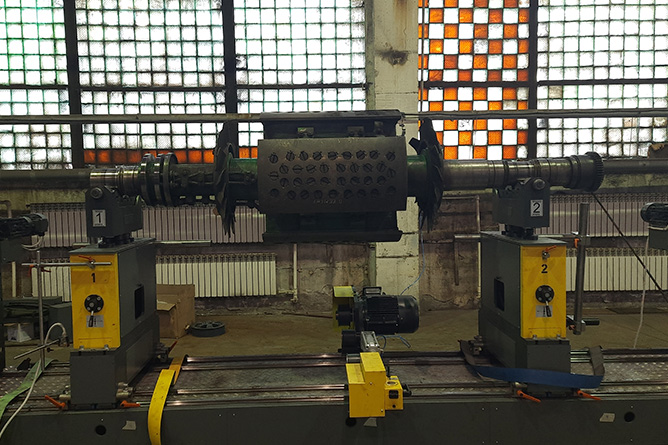
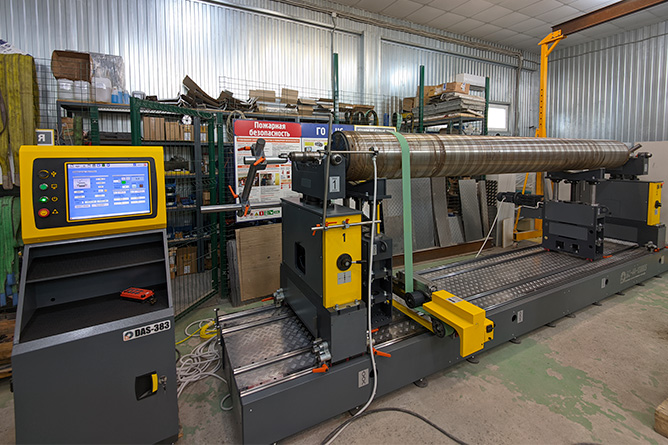
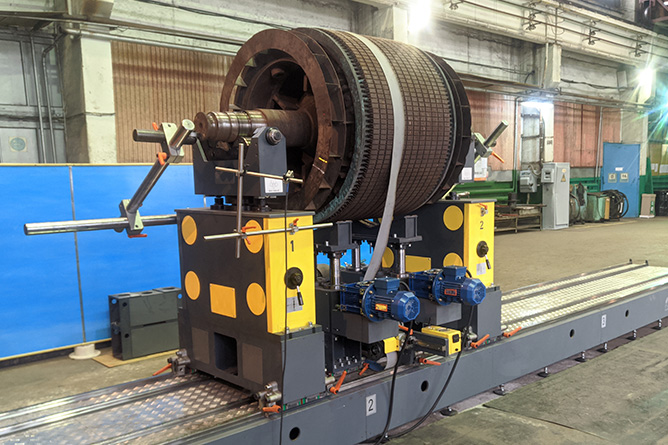
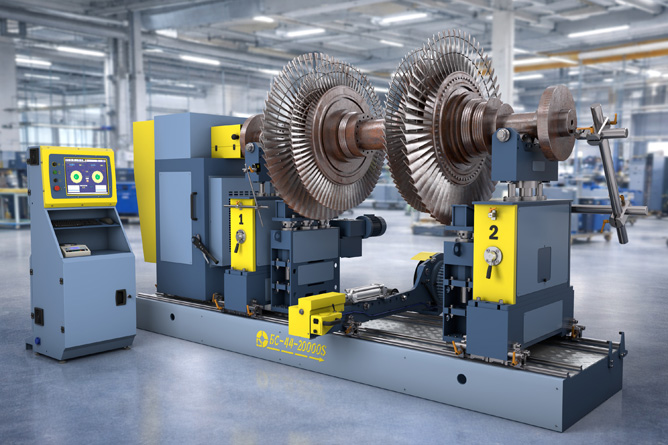
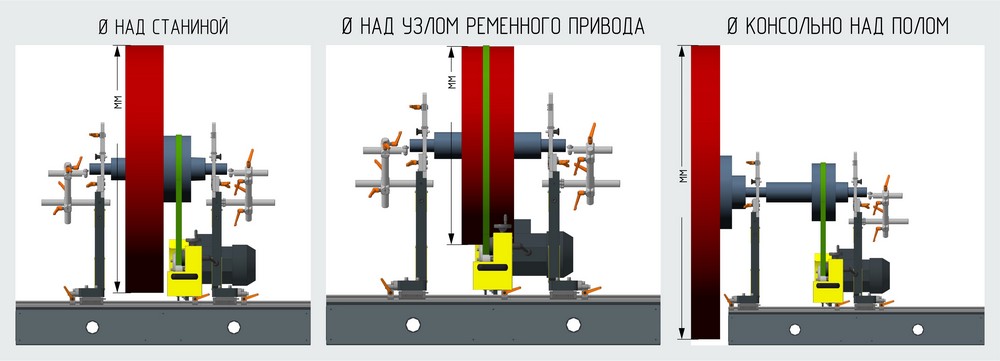
| Rotor weight to be balanced, kg | Rotor diameter to be balanced, mm | Distance between rotor journal centers, mm | Rotor journal diameter, mm | Minimum achievable residual unbalance | Drive power, kW | Drive type | Machine dimensions L×H×W, mm | Mechanical part weight (with standard bed), kg | Power supply voltage V/Hz/Phases | |
|---|---|---|---|---|---|---|---|---|---|---|
| BS-24-5H | 0,02 - 5 | 5-420 | 15-350 | 5-30 | 0,05 | 0,09 | Belt | 440х400х800 | 47 | 220/50/1 |
| BS-24-8H | 0,02 - 10 | 5-400 | 20-550 | 5-30 | 0,05 | 0,37 | Belt | 670х420х360 | 68 | 220/50/1 |
| BS-24-20H | 0,02 - 20 | 5-420 | 20-550 | 5-32 | 0,05 | 0,37 | Belt | 670х420х360 | 73 | 220/50/1 |
| BS-34-50H | 0,2 - 60 | 1040 * | 20-1260 * | 11-160 | 0,05 | 0,75 | Belt / Cardan / Combined | 1550х1100х800 | 610 | 380/50/3 |
| BS-34-50S | 0,2 - 60 | 1000 * | 20-1200 * | 12-160 | 0,05 | 0,75 | Belt / Cardan / Combined | 1550х1100х800 | 590 | 380/50/3 |
| BS-34-100H | 0,5 - 150 | 1070 * | 20-1450 * | 10-170 | 0,05 | 1,1 | Belt / Cardan / Combined | 1700х1100х820 | 770 | 380/50/3 |
| BS-34-100S | 0,5 - 150 | 1000 * | 20-1400 * | 12-160 | 0,05 | 1,1 | Belt / Cardan / Combined | 1700х1100х820 | 690 | 380/50/3 |
| BS-34-200H | 0,5 - 200 | 1070 * | 20-1450 * | 10-170 | 0,05 | 1,5 | Belt / Cardan / Combined | 1700х1100х820 | 790 | 380/50/3 |
| BS-34-200S | 0,5 - 200 | 1000 * | 20-1200 * | 12-160 | 0,05 | 1,5 | Belt / Cardan / Combined | 1700х1100х820 | 750 | 380/50/3 |
| BS-44-300H | 1,6 - 400 | 1500 * | 10/80-1700 * | 15-190 | 0,05 | 4,0 | Belt / Cardan / Combined | 2000х1200х1200 | 680 | 380/50/3 |
| BS-44-300S | 1,6 - 400 | 1600 * | 10/80-1650 * | 12-140 | 0,05 | 4,0 | Belt / Cardan / Combined | 2000х1200х1200 | 630 | 380/50/3 |
| BS-44-500H | 3 - 700 | 1500 * | 10/80-1700 * | 20-180 | 0,05 | 5,5 | Belt / Cardan / Combined | 2000х1200х1200 | 790 | 380/50/3 |
| BS-44-500S | 5 - 600 | 1600 * | 10/80-1650 * | 12-140 | 0,05 | 5,5 | Belt / Cardan / Combined | 2000х1200х1200 | 740 | 380/50/3 |
| BS-44-1000H | 5 - 1500 | 1700 * | 30/120 - 1650 * | 20-230 | 0,1 | 11,0 | Belt / Cardan / Combined | 2000х1400х1400 | 1170 | 380/50/3 |
| BS-44-1000S | 5 - 1500 | 1850 * | 30/120 - 1550 * | 15-250 | 0,1 | 11,0 | Belt / Cardan / Combined | 2000х1400х1400 | 1085 | 380/ 50/ 3 |
| BS-44-3000H | 16 - 4000 | 2400 * | 30/135 - 1500 * | 25-270 | 0,1 | 18,5 | Belt / Cardan / Combined | 2000х1600х1400 | 1900 | 380/ 50/ 3 |
| BS-44-3000S | 16 - 4000 | 2300 * | 30/135 - 1480 * | 20-290 | 0,1 | 18,5 | Belt / Cardan / Combined | 2000х1600х1400 | 1799 | 380/ 50/ 3 |
| BS-44-5000H | 30 - 6000 | 2400 * | 40/140 - 3500 * | 20-300 | 0,2 | 22,0 | Belt / Cardan / Combined | 2000х1750х1400 | 2150 | 380/ 50/ 3 |
| BS-44-5000S | 30 - 6000 | 2250 * | 40/140 - 3400 * | 20-350 | 0,2 | 22,0 | Belt / Cardan / Combined | 2000х1750х1400 | 2050 | 380/ 50/ 3 |
| BS-44-8000H | 30 - 8000 | 2850 * | 65/250-5700 * | 20-310 | 0,25 | 30,0 | Belt / Cardan / Combined | 4000х1700х1900 | 4150 | 380/ 50/ 3 |
| BS-44-8000S | 30 - 8000 | 2750 * | 65/250-5650 * | 20-400 | 0,25 | 30,0 | Belt / Cardan / Combined | 4000х1700х1900 | 3980 | 380/ 50/ 3 |
| BS-44-10000H | 80 - 10000 | 2850 * | 70/280-5700 * | 20-310 | 0,25 | 37,0 | Belt / Cardan / Combined | 4000х1700х2000 | 4350 | 380/ 50/ 3 |
| BS-44-10000S | 50 - 10000 | 2750 * | 70/280-5650 * | 20-400 | 0,25 | 37,0 | Belt / Cardan / Combined | 4000х1700х2000 | 4250 | 380/ 50/ 3 |
| BS-44-20000H | 100 - 20000 | 2850 * | 5650 * | 25-500 | 0,4 | 55 | Belt / Cardan / Combined | 7000х2200х2000 | 6550 | 380/ 50/ 3 |
| BS-44-20000S | 1000 - 20000 | 2750 * | 5400 * | 25-500 | 0,4 | 55 | Belt / Cardan / Combined | 7000х2200х2000 | 6230 | 380/ 50/ 3 |
| BS-В-10 | 0,5 - 10 | up to 600 | 0.2 | 0,55 | 500х1500х650 | 180 | 380/50/3 | |||
| BS-В-20 | 1,0 - 20 | up to 600 | up to 0.5 | 0,75 | 750х750х800 | 240 | 380/50/3 | |||
| BS-В-60 | 1,0 - 65 | up to 800 | up to 0.5 | 2,2 | 1100х1100х1250 | 540 | 380/50/3 | |||
| BS-В-200 | 1,0 - 200 | up to 1000 | up to 1 | 5,5 | 1200х1200х850 | 1750 | 380/50/3 | |||
| BS-В-600 | 5,0 - 600 | up to 1300 | до 2 | 11 | 1430х1430х890 | 2340 | 380/50/3 | |||
| BS-44-1250 | 5 - 300 | 100-1250 | 0,3 | 18,5 | Direct | 1500х1200х800 | 700 | 380V/50 Hz/3 phases |
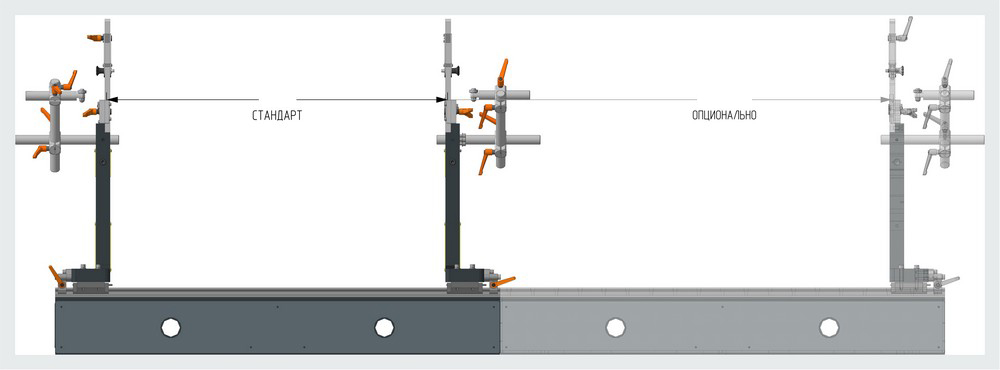
The table contains data related to the standard machine configuration. Most parameters can be modified upon customer request.


Above-Resonance Balancing Machines
Above-resonance balancing machines are used in a wide range of industries, including automotive, aviation, and general industry, where a high degree of balancing for rotors and other rotating components is required. They are distinguished by their design and operating principle and have found application in both manufacturing and equipment maintenance and repair, contributing to operational stability and the longevity of mechanisms.
The operating principle of above-resonance balancing machines is based on the use of resonant oscillations that occur in the balancing device. The machine features movable supports mounted on elastic elements, which have different stiffness in different directions, allowing for the necessary sensitivity to horizontal vibrations.
When the rotor being balanced rotates in an above-resonance machine, it causes vibrations in the supports proportional to the imbalance in the correction planes. These vibrations are recorded by measuring devices and software, which analyze the amplitude and frequency of the vibrations. Thus, the balancing machine determines the magnitude and angle of the imbalance, allowing for the necessary corrections to be made.
The design of above-resonance balancing machines includes several key elements:
- Movable Supports and Elastic Elements: The supports on which the rotor is mounted are suspended on elastic elements. These elements are tuned to provide minimal resistance to horizontal plane vibrations, allowing the system to respond effectively to imbalance.
- Balancing Device: This includes a structure designed so that its natural frequency in the horizontal direction is significantly lower than the rotor's rotational speed. This allows it to effectively capture vibrations caused by imbalance.
- Measurement System: It records vibrations and converts them into electrical signals, which are then analyzed to determine the imbalance. Measuring devices can include both contact and non-contact sensors.
One of the main technological features of above-resonance balancing machines is their ability to accurately measure imbalance over a wide range of rotor rotational speeds. This is achieved through careful tuning of the elastic elements and movable supports, as well as thanks to the high-precision measurement system.
Furthermore, above-resonance machines have high sensitivity to small vibrations, making them ideal for working with rotors that have small sizes and masses. These machines are capable of providing high accuracy and reliability.
Above-resonance balancing machines possess a number of advantages that make them suitable for use in various areas of production and repair. However, like any equipment, they have their limitations, which are important to consider when selecting and operating these devices.
One of the main advantages of above-resonance balancing machines is their high accuracy in measuring and correcting imbalance. These devices utilize the resonance principle, which allows for high sensitivity to horizontal vibrations. Such sensitivity is necessary for precise rotor balancing.
Above-resonance balancing machines, providing high stability when operating over a wide range of rotational speeds, allow them to be used for balancing various rotors that may have different sizes and masses. Tuning the elastic elements and supports so that their frequency is significantly lower than the rotor's rotational speed enables the device to effectively capture vibrations caused by imbalance and ensure precise correction.
The design of the machines by LLC "Robals" is developed to minimize the influence of external factors on measurement accuracy, making them ideal for use in mass production and serial repair conditions.
Despite this, above-resonance balancing machines also have their limitations. One of the main limitations is the need for careful tuning of the device to ensure its correct operation. Incorrect tuning of the elastic elements or supports can lead to reduced measurement accuracy and ineffective imbalance correction. Thus, regular maintenance and frequent checks can also be considered limitations, as the elastic elements and movable supports can wear out over time and negatively affect the device's accuracy.
Our machines are also equipped with complex control systems – software packages that provide automatic tuning and correction. They include programmable controllers and specialized software that allows for precise calculation and real-time imbalance correction.
If you are selecting vertical balancing stands for your production, please leave your contact details and our managers will contact you to consult on choosing the machine that best suits your tasks and characteristics.