 +7 (988) 379-41-22






Turbine balancing machines
- Балансировка картриджа турбины
- Балансировка крыльчатки турбины
- Балансировка ротора турбины
- Балансировка ротора турбины гтд
- Балансировка ротора турбины тэц
- Балансировка роторов турбокомпрессоров
- Балансировка турбокомпрессора
- Балансировочный станок для турбин
- Балансировочный станок для автомобильных турбин
- Балансировочный станок для газовых турбин
- Балансировочный станок для картриджа турбины
- Балансировочный станок для паровых турбин
- Балансировочный станок для роторов турбины
- Балансировочный станок для роторов турбокомпрессора
- Балансировочный станок для компрессора высокого давления
- Станок для балансировки турбины вертолета
- Балансировочный станок для турбин газотурбинного двигателя
- Балансировочный станок для паровой турбины
- Балансировочный станок для турбин тепловоза
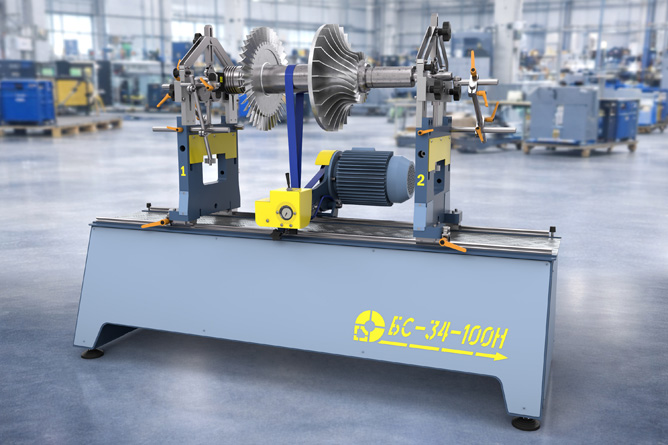
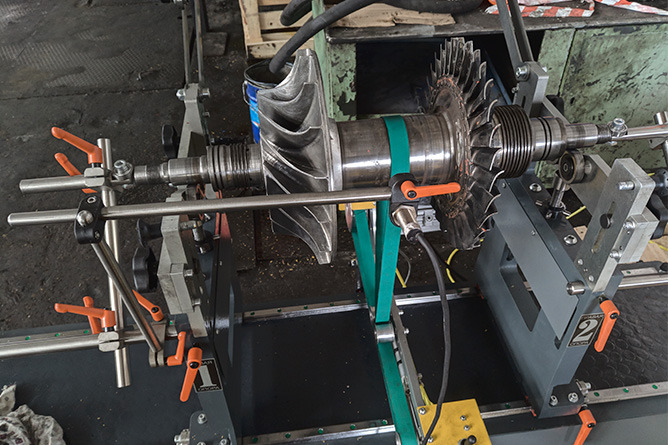
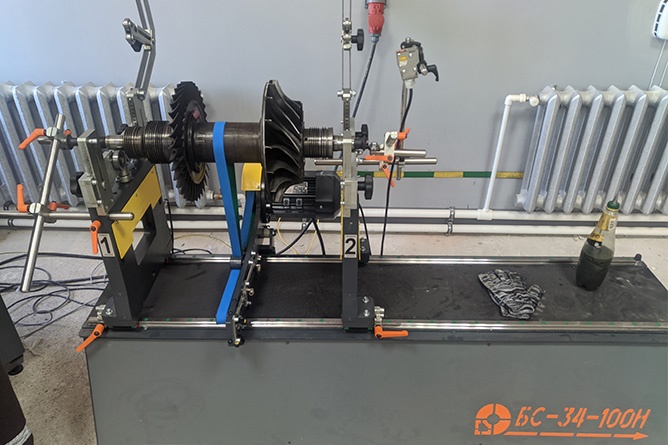
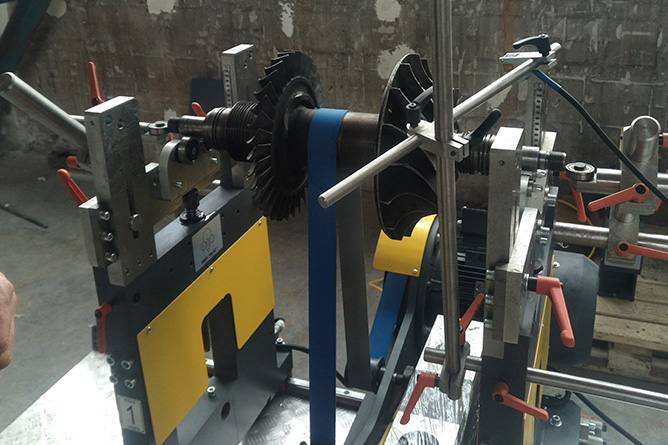
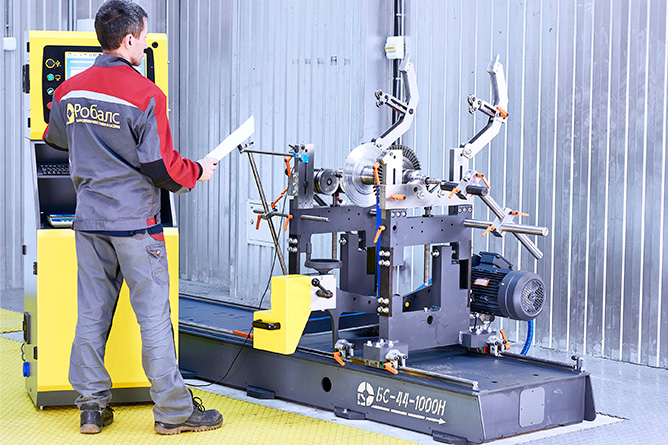
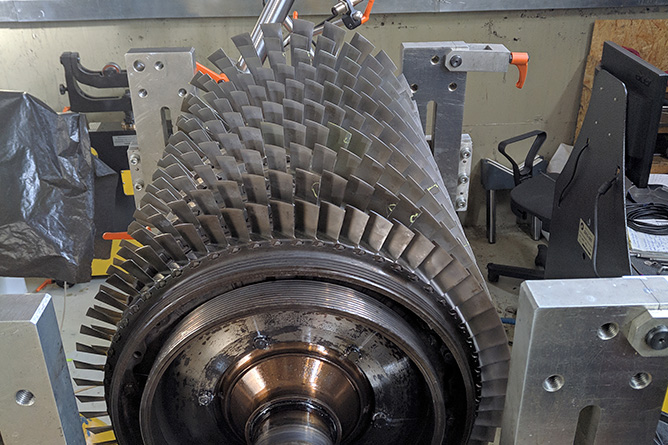
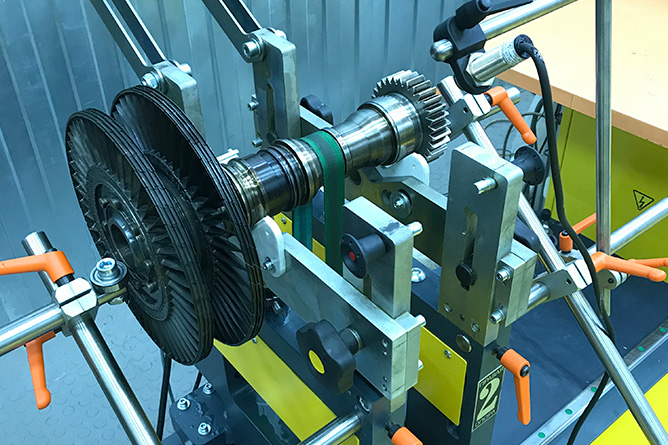
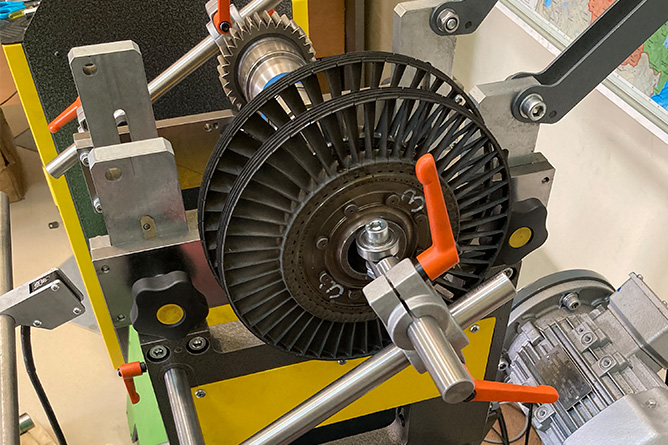
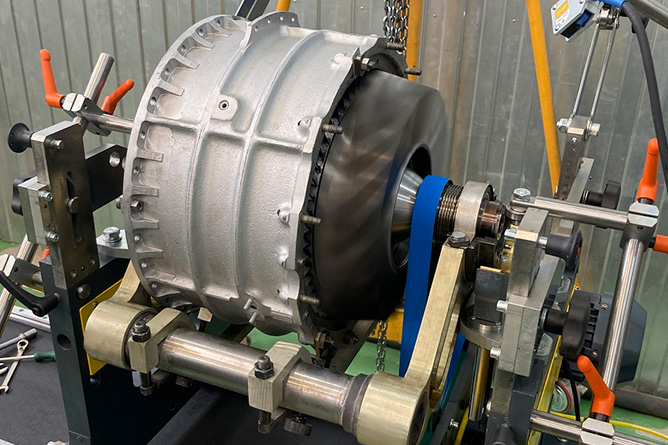
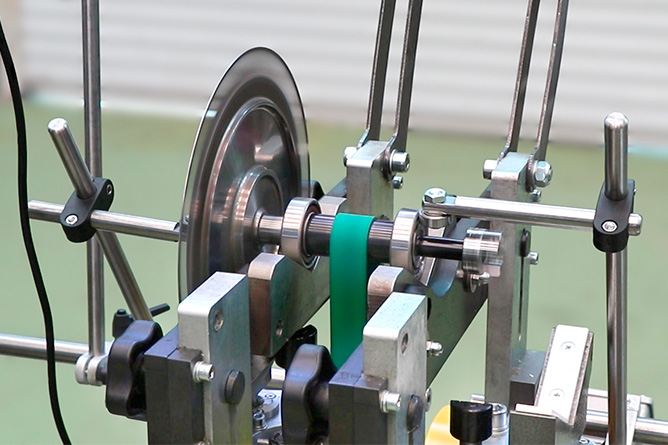
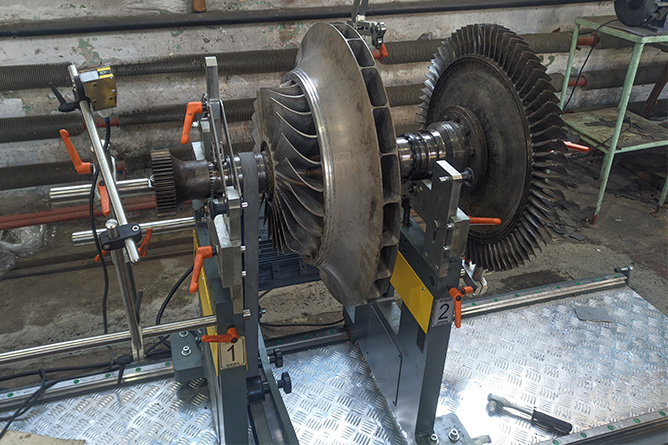
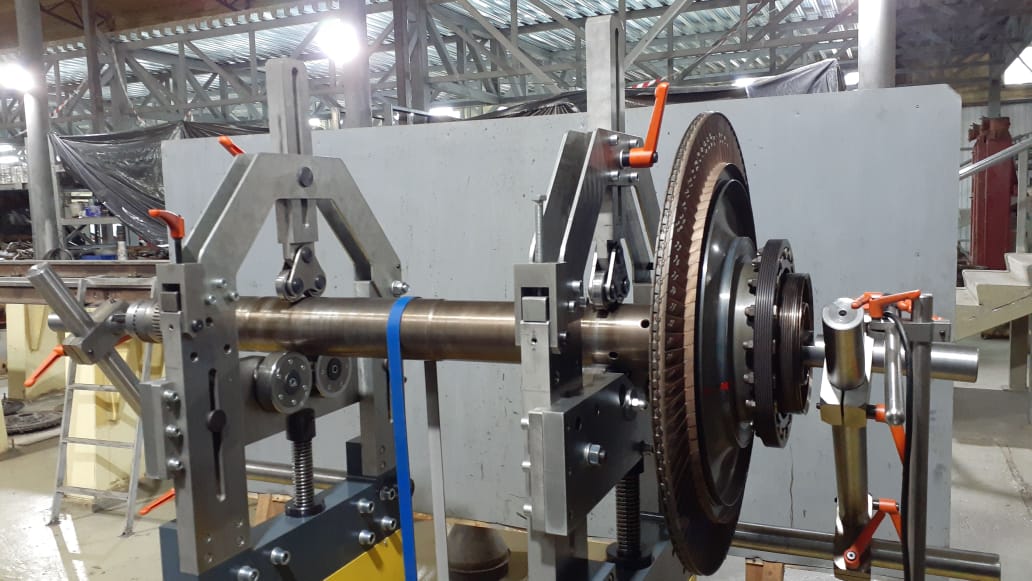
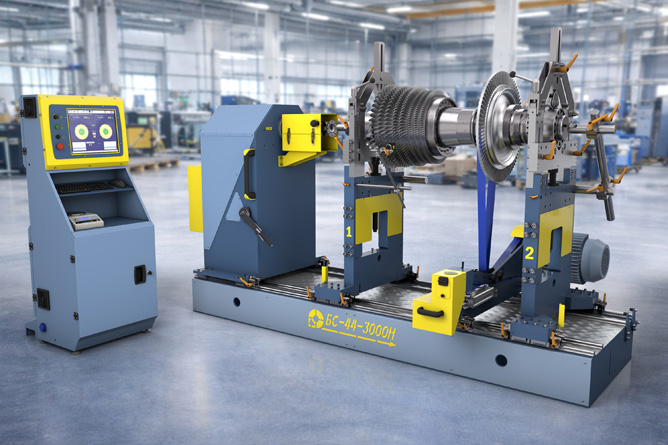
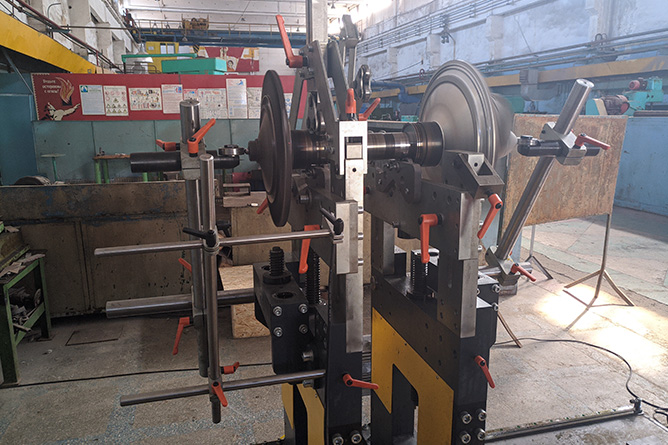
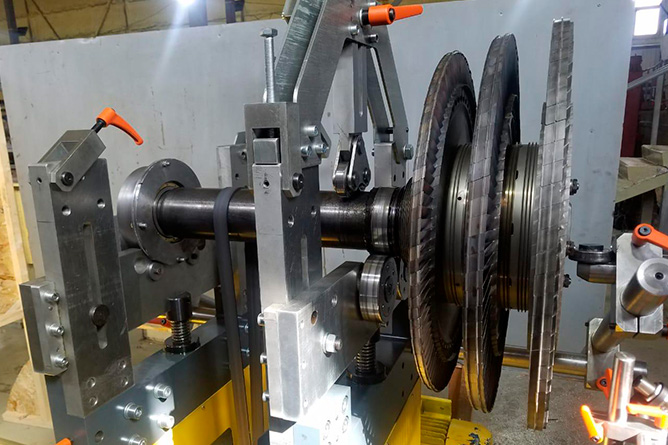
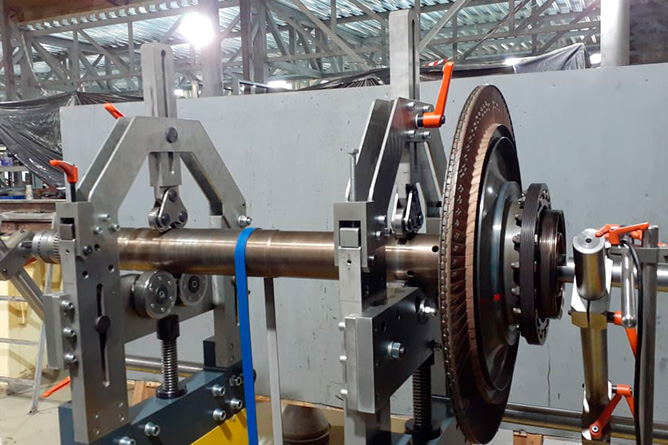
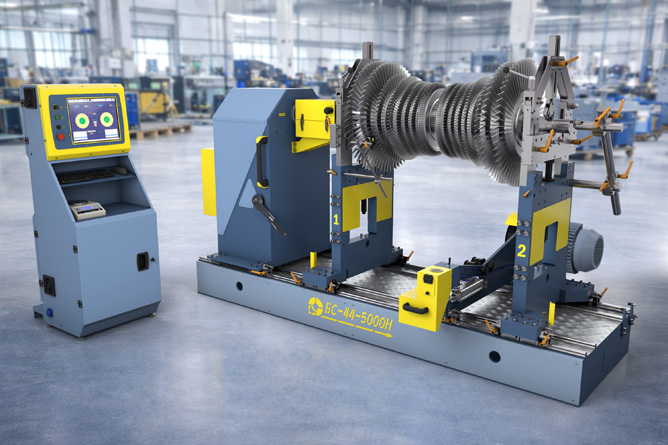
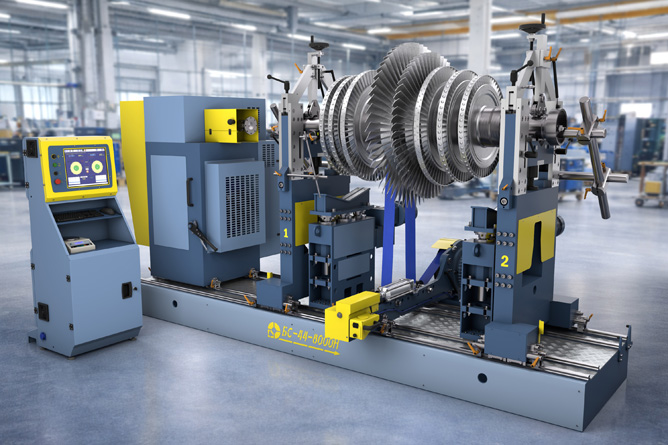
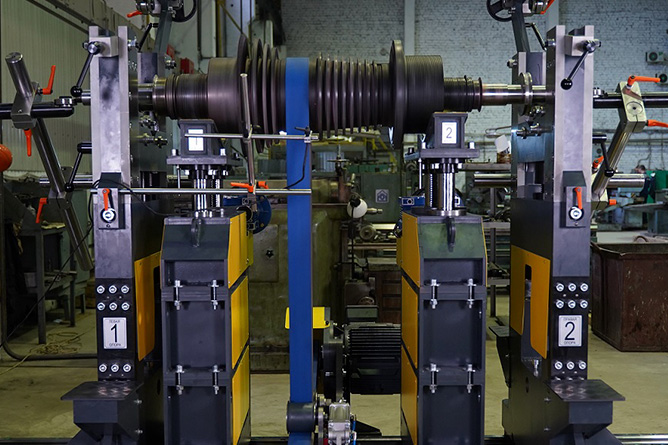
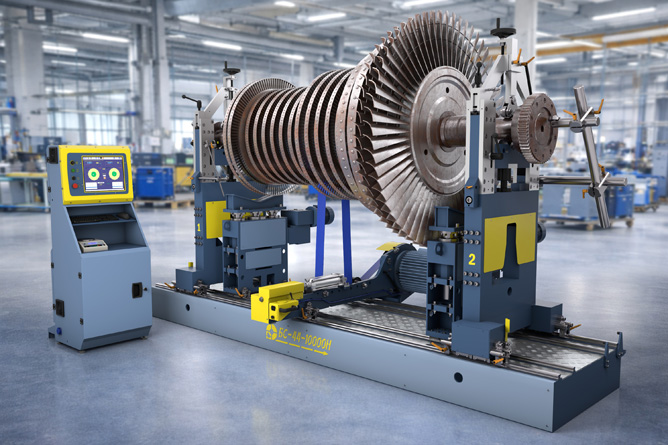
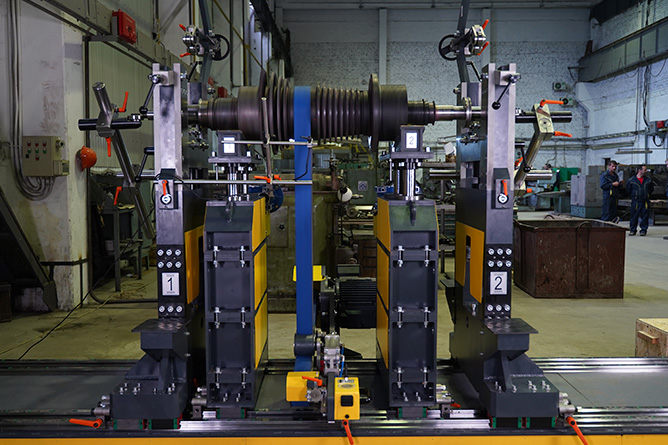
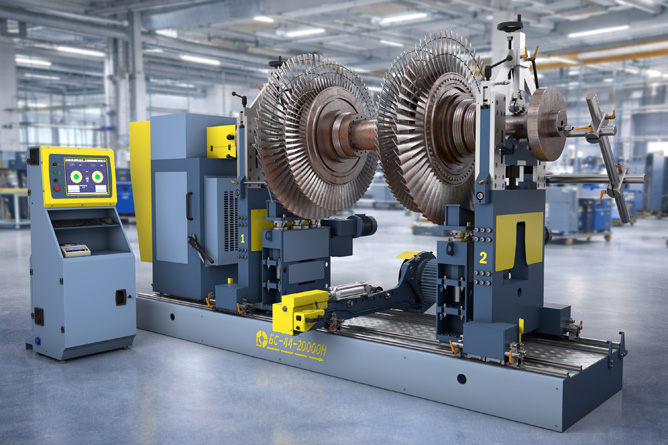
Balancing machine for turbines is specialized equipment designed to detect and eliminate imbalance in rotors of gas, steam and hydraulic turbines, as well as their components (impellers, compressor and turbine stages). Turbine rotor balancing is necessary for: reducing vibration and dynamic loads, increasing bearing and other component service life, improving turbine efficiency, preventing emergency situations.
Such equipment is used in power engineering, aviation and shipbuilding industries, as well as in production and repair of turbine units.
Most Applicable
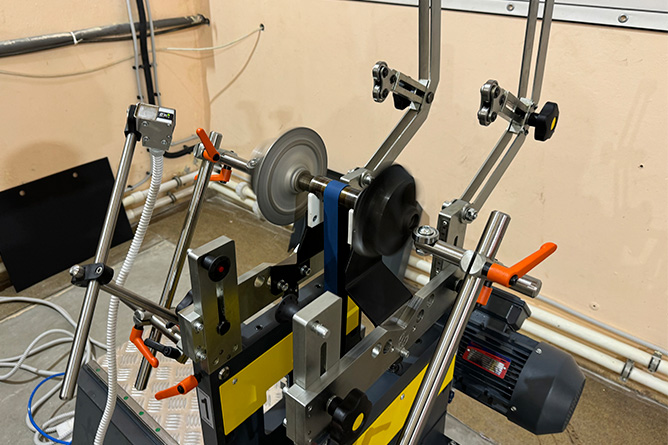
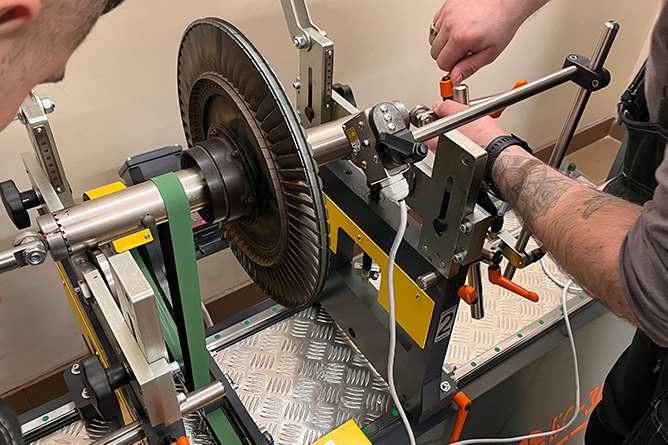
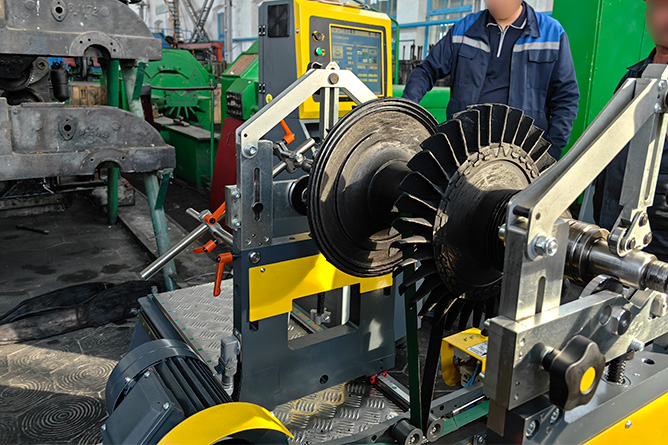
BS-34-100H
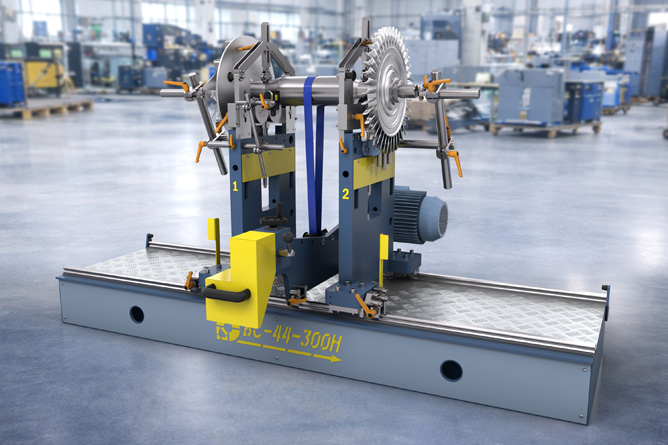
BS-44-300H
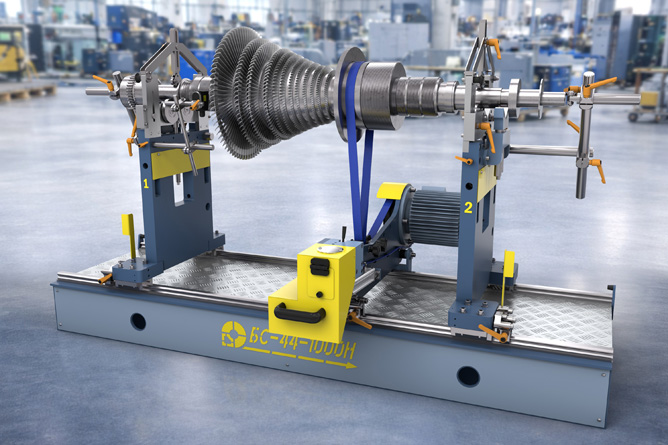
BS-44-1000H
Might Suit Your Tasks
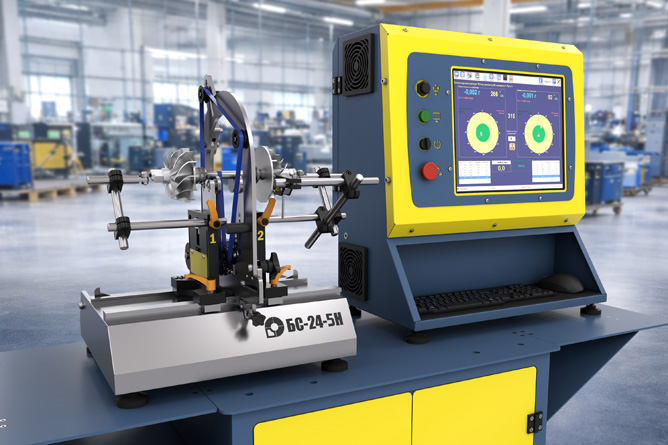
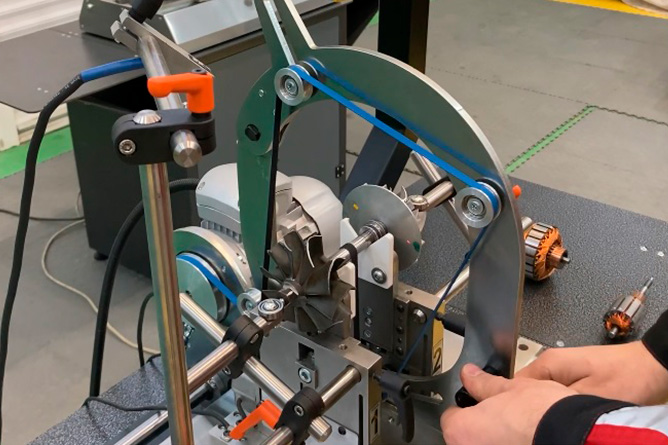
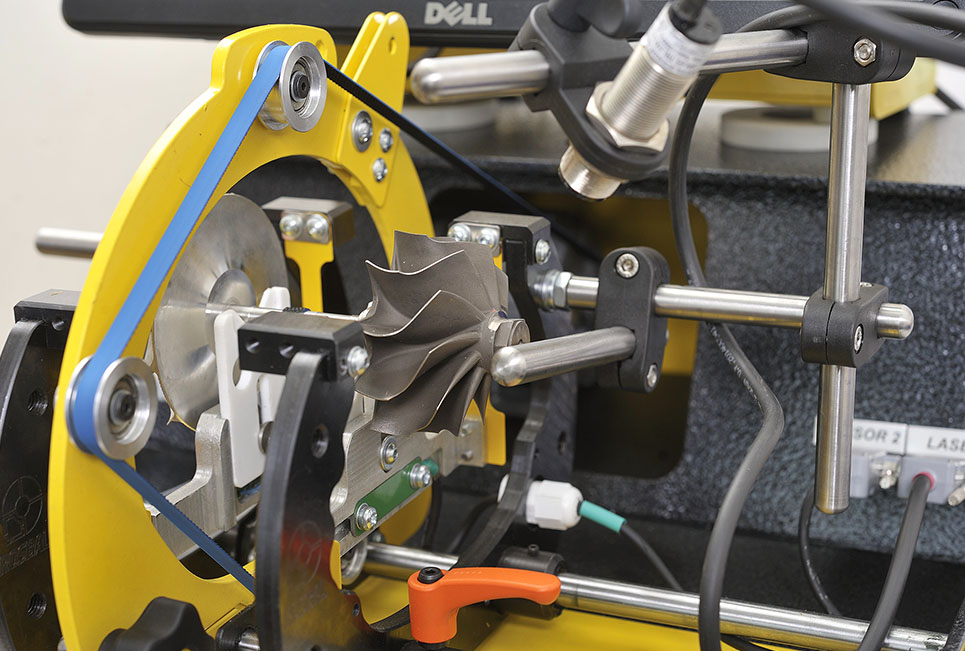
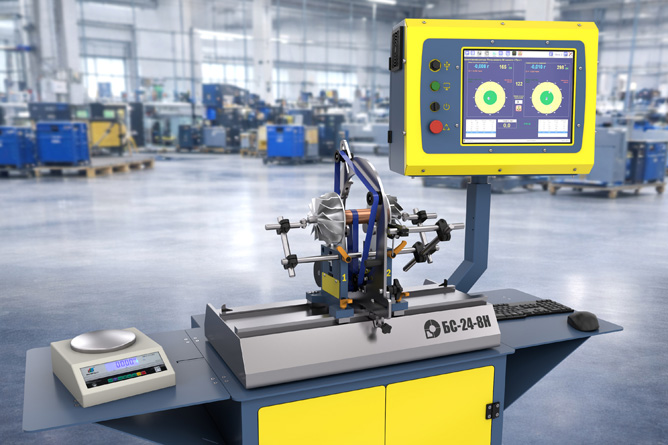
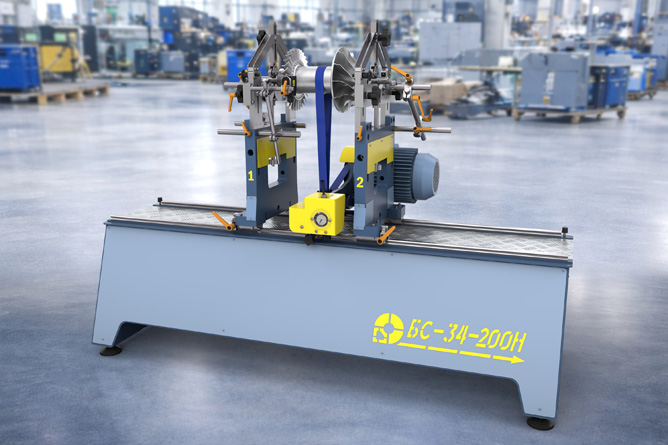
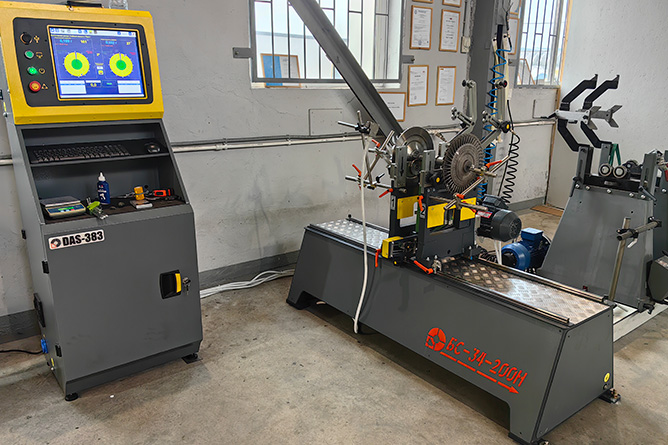
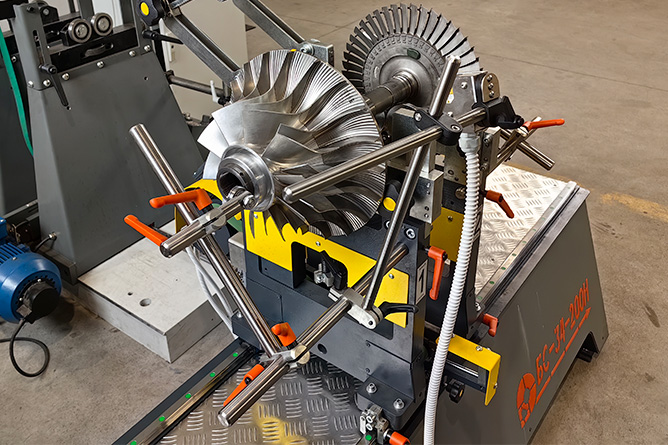
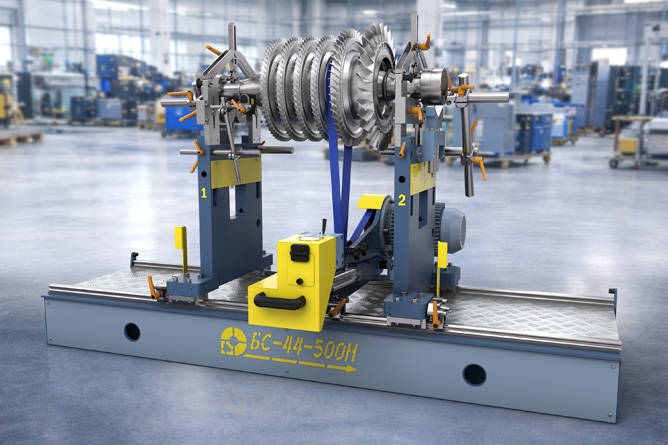
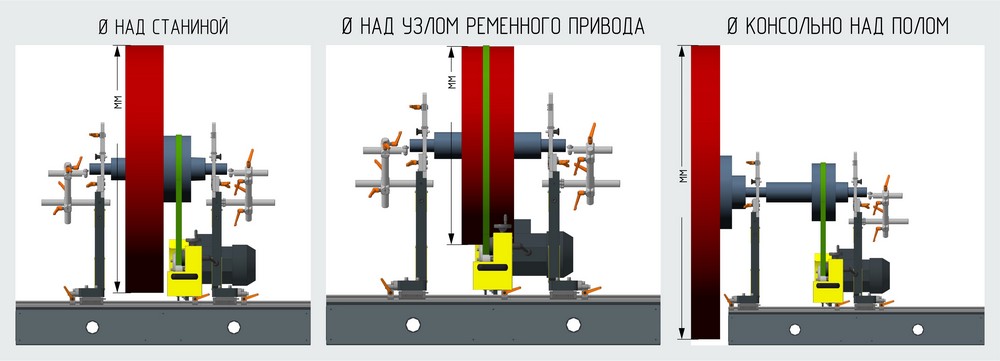
| Rotor weight to be balanced, kg | Rotor diameter to be balanced, mm | Distance between rotor journal centers, mm | Rotor journal diameter, mm | Minimum achievable residual unbalance | Drive power, kW | Drive type | Machine dimensions L×H×W, mm | Mechanical part weight (with standard bed), kg | Power supply voltage V/Hz/Phases | |
|---|---|---|---|---|---|---|---|---|---|---|
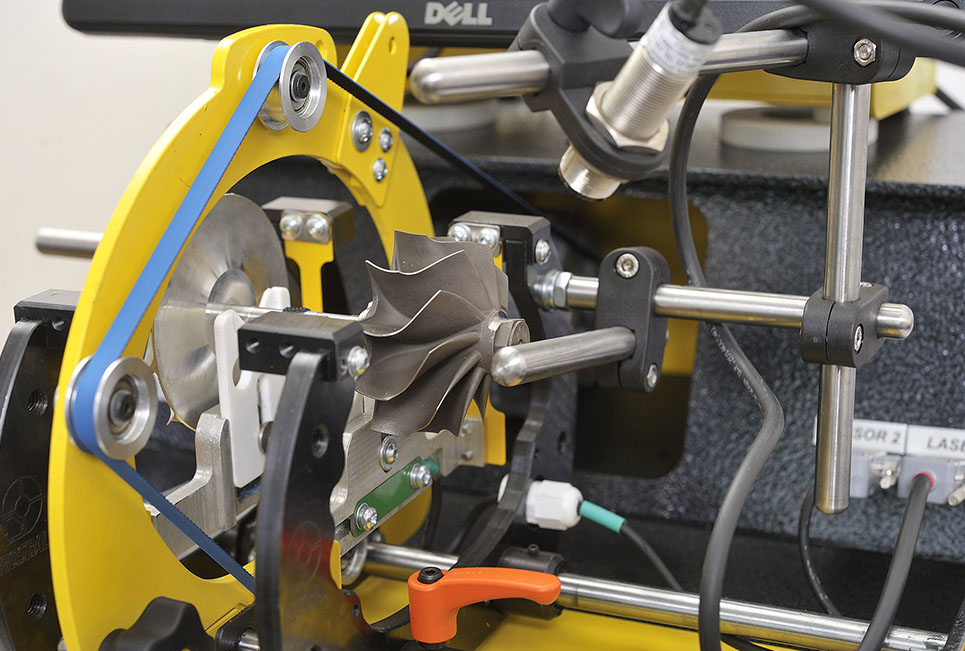
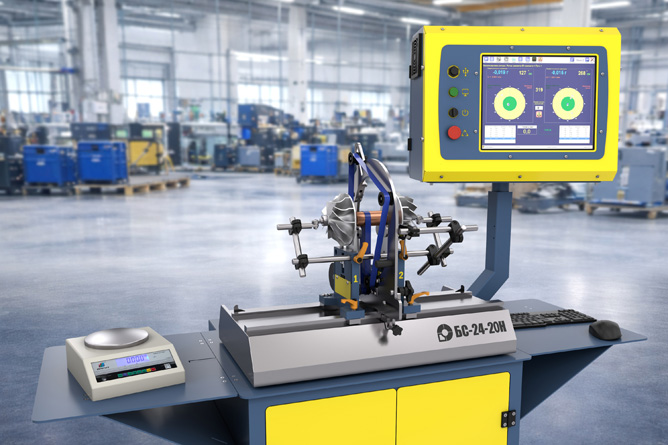
| BS-24-5H | 0,02 - 5 | 5-420 | 15-350 | 5-30 | 0,05 | 0,09 | Belt | 440х400х800 | 47 | 220/50/1 |
| BS-24-8H | 0,02 - 10 | 5-400 | 20-550 | 5-30 | 0,05 | 0,37 | Belt | 670х420х360 | 68 | 220/50/1 |
| BS-24-20H | 0,02 - 20 | 5-420 | 20-550 | 5-32 | 0,05 | 0,37 | Belt | 670х420х360 | 73 | 220/50/1 |
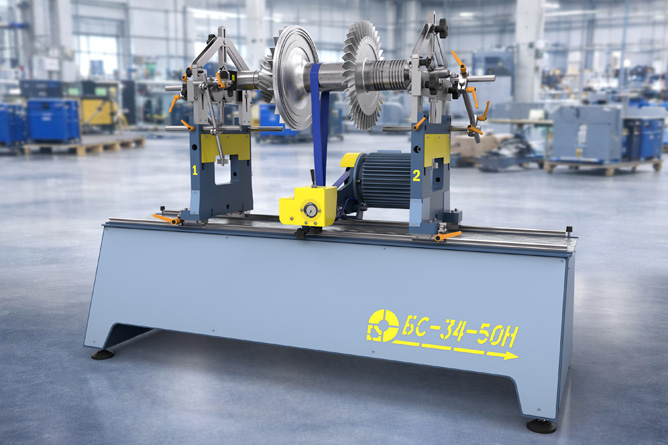
| BS-34-50H | 0,2 - 60 | 1040 * | 20-1260 * | 11-160 | 0,05 | 0,75 | Belt / Cardan / Combined | 1550х1100х800 | 610 | 380/50/3 |
| BS-34-50S | 0,2 - 60 | 1000 * | 20-1200 * | 12-160 | 0,05 | 0,75 | Belt / Cardan / Combined | 1550х1100х800 | 590 | 380/50/3 |
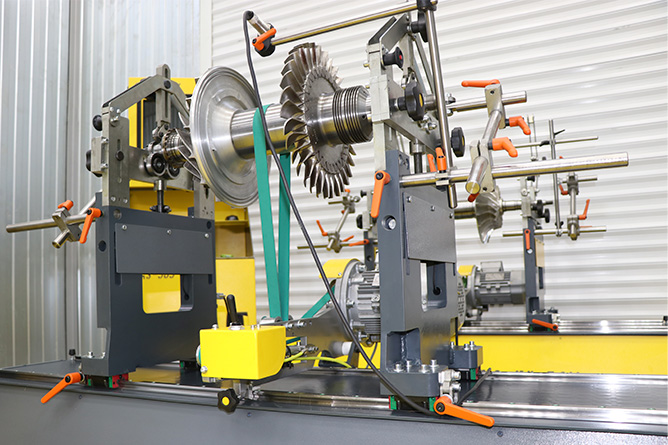
| BS-34-100H | 0,5 - 150 | 1070 * | 20-1450 * | 10-170 | 0,05 | 1,1 | Belt / Cardan / Combined | 1700х1100х820 | 770 | 380/50/3 |
| BS-34-100S | 0,5 - 150 | 1000 * | 20-1400 * | 12-160 | 0,05 | 1,1 | Belt / Cardan / Combined | 1700х1100х820 | 690 | 380/50/3 |
| BS-34-200H | 0,5 - 200 | 1070 * | 20-1450 * | 10-170 | 0,05 | 1,5 | Belt / Cardan / Combined | 1700х1100х820 | 790 | 380/50/3 |
| BS-34-200S | 0,5 - 200 | 1000 * | 20-1200 * | 12-160 | 0,05 | 1,5 | Belt / Cardan / Combined | 1700х1100х820 | 750 | 380/50/3 |
| BS-44-300H | 1,6 - 400 | 1500 * | 10/80-1700 * | 15-190 | 0,05 | 4,0 | Belt / Cardan / Combined | 2000х1200х1200 | 680 | 380/50/3 |
| BS-44-300S | 1,6 - 400 | 1600 * | 10/80-1650 * | 12-140 | 0,05 | 4,0 | Belt / Cardan / Combined | 2000х1200х1200 | 630 | 380/50/3 |
| BS-44-500H | 3 - 700 | 1500 * | 10/80-1700 * | 20-180 | 0,05 | 5,5 | Belt / Cardan / Combined | 2000х1200х1200 | 790 | 380/50/3 |
| BS-44-500S | 5 - 600 | 1600 * | 10/80-1650 * | 12-140 | 0,05 | 5,5 | Belt / Cardan / Combined | 2000х1200х1200 | 740 | 380/50/3 |
| BS-44-1000H | 5 - 1500 | 1700 * | 30/120 - 1650 * | 20-230 | 0,1 | 11,0 | Belt / Cardan / Combined | 2000х1400х1400 | 1170 | 380/50/3 |
| BS-44-1000S | 5 - 1500 | 1850 * | 30/120 - 1550 * | 15-250 | 0,1 | 11,0 | Belt / Cardan / Combined | 2000х1400х1400 | 1085 | 380/ 50/ 3 |
| BS-44-3000H | 16 - 4000 | 2400 * | 30/135 - 1500 * | 25-270 | 0,1 | 18,5 | Belt / Cardan / Combined | 2000х1600х1400 | 1900 | 380/ 50/ 3 |
| BS-44-3000S | 16 - 4000 | 2300 * | 30/135 - 1480 * | 20-290 | 0,1 | 18,5 | Belt / Cardan / Combined | 2000х1600х1400 | 1799 | 380/ 50/ 3 |
| BS-44-5000H | 30 - 6000 | 2400 * | 40/140 - 3500 * | 20-300 | 0,2 | 22,0 | Belt / Cardan / Combined | 2000х1750х1400 | 2150 | 380/ 50/ 3 |
| BS-44-5000S | 30 - 6000 | 2250 * | 40/140 - 3400 * | 20-350 | 0,2 | 22,0 | Belt / Cardan / Combined | 2000х1750х1400 | 2050 | 380/ 50/ 3 |
| BS-44-8000H | 30 - 8000 | 2850 * | 65/250-5700 * | 20-310 | 0,25 | 30,0 | Belt / Cardan / Combined | 4000х1700х1900 | 4150 | 380/ 50/ 3 |
| BS-44-8000S | 30 - 8000 | 2750 * | 65/250-5650 * | 20-400 | 0,25 | 30,0 | Belt / Cardan / Combined | 4000х1700х1900 | 3980 | 380/ 50/ 3 |
| BS-44-10000H | 80 - 10000 | 2850 * | 70/280-5700 * | 20-310 | 0,25 | 37,0 | Belt / Cardan / Combined | 4000х1700х2000 | 4350 | 380/ 50/ 3 |
| BS-44-10000S | 50 - 10000 | 2750 * | 70/280-5650 * | 20-400 | 0,25 | 37,0 | Belt / Cardan / Combined | 4000х1700х2000 | 4250 | 380/ 50/ 3 |
| BS-44-20000H | 100 - 20000 | 2850 * | 5650 * | 25-500 | 0,4 | 55 | Belt / Cardan / Combined | 7000х2200х2000 | 6550 | 380/ 50/ 3 |
| BS-44-20000S | 1000 - 20000 | 2750 * | 5400 * | 25-500 | 0,4 | 55 | Belt / Cardan / Combined | 7000х2200х2000 | 6230 | 380/ 50/ 3 |
| BS-В-10 | 0,5 - 10 | up to 600 | 0.2 | 0,55 | 500х1500х650 | 180 | 380/50/3 | |||
| BS-В-20 | 1,0 - 20 | up to 600 | up to 0.5 | 0,75 | 750х750х800 | 240 | 380/50/3 | |||
| BS-В-60 | 1,0 - 65 | up to 800 | up to 0.5 | 2,2 | 1100х1100х1250 | 540 | 380/50/3 | |||
| BS-В-200 | 1,0 - 200 | up to 1000 | up to 1 | 5,5 | 1200х1200х850 | 1750 | 380/50/3 | |||
| BS-В-600 | 5,0 - 600 | up to 1300 | до 2 | 11 | 1430х1430х890 | 2340 | 380/50/3 | |||
| BS-44-1250 | 5 - 300 | 100-1250 | 0,3 | 18,5 | Direct | 1500х1200х800 | 700 | 380V/50 Hz/3 phases |
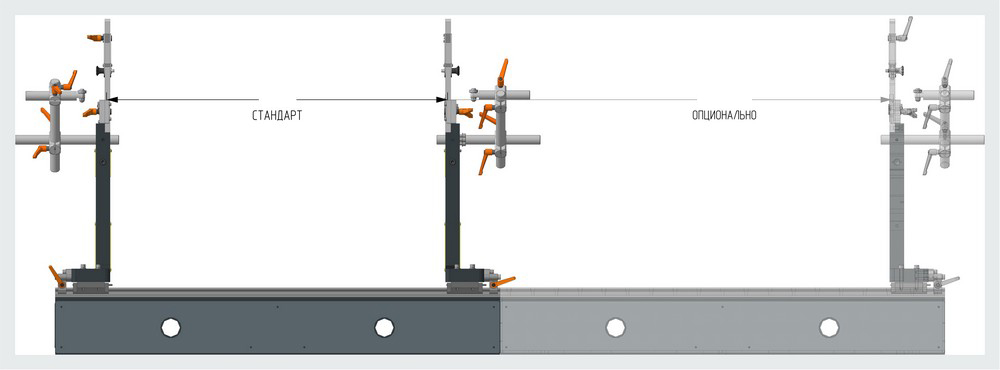
The table contains data related to the standard machine configuration. Most parameters can be modified upon customer request.


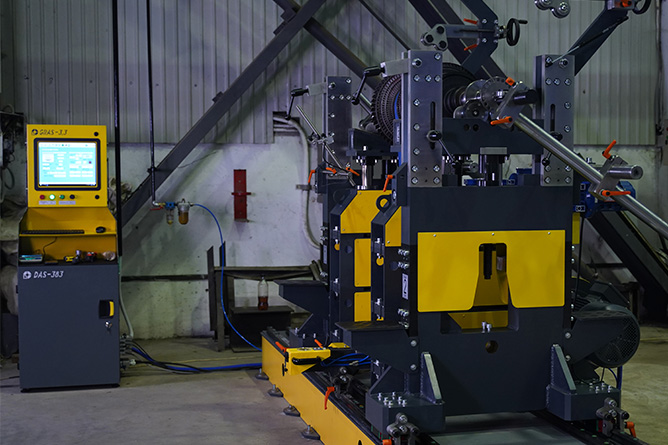
Turbocharger Balancing Machines
Perhaps no other type of equipment has higher requirements than the balancing of turbines (turbocharger rotors). These rotors, being the central element of turbines, are subjected to significant loads because they rotate at high speeds, and the slightest imbalance can lead to increased vibrations. These vibrations, in turn, cause premature wear of parts, overheating, and even destruction of turbine components. Therefore, the correctness of balancing affects not only the performance of the turbines but also their integrity.
Our horizontal balancing machines are designed to compensate and provide the most precise mass distribution of the rotors, minimizing vibrations and enhancing the turbocharger's operational stability. Such tuning is especially important during compressor repair when, after replacing or restoring rotor parts, it is necessary to return it to a condition as close as possible to the factory parameters. It is also crucial in manufacturing, where rotors are built from scratch, and balancing ensures they meet all technical requirements and standards.
The horizontal balancing machines from Robals LLC solve a range of tasks related to ensuring the optimal operation of turbocharger rotors. The primary task of these machines is to eliminate the imbalance that inevitably arises during the operation of turbine rotors. Even a slight deviation from the ideal mass distribution can lead to serious consequences, such as increased vibration, destruction of bearings and other components, and reduced turbine efficiency.
The balancing process significantly reduces the vibration level, resulting in extended equipment service life and improved operational characteristics. A correctly balanced turbocharger rotor operates with less load on the bearings and other units, which reduces operating costs and increases its maintenance interval. This is especially important in areas where turbochargers operate under high loads and require high reliability.
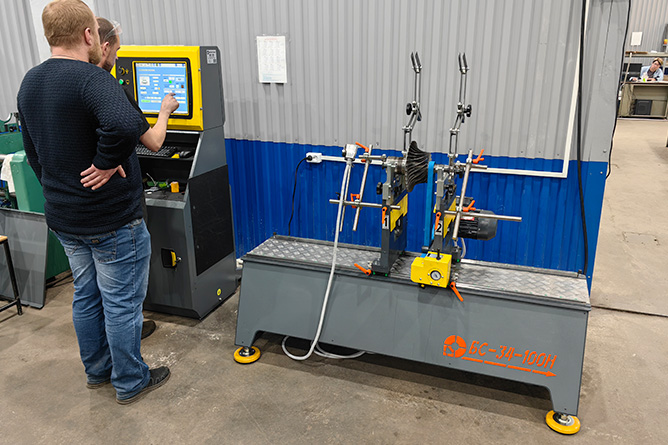
The turbine balancing machine produced by Robals LLC is used primarily in repair workshops and specialized service centers engaged in the restoration and maintenance of turbochargers. Here, balancing is a mandatory step after any repair or replacement of rotor parts.
These machines are also in demand at manufacturing plants for the production of new turbine rotors. In a production environment, it is important to ensure balancing accuracy already at the assembly stage so that the rotors meet strict quality and reliability requirements.
Our equipment provides reliable and precise balancing necessary for achieving high efficiency and durability of turbines in a wide variety of operating conditions.
Turbochargers are complex engineering systems used in internal combustion engines, gas turbine units, and various industrial aggregates. During their operation, the rotors are subjected not only to high rotational speeds but also to significant temperature changes, which, in turn, increases the requirements for balancing accuracy.
One of the features of turbocharger rotor balancing is precisely the need to account for high rotational speeds. Turbines can rotate at incredible speeds of over tens of thousands of revolutions per minute, and the slightest imbalance at such speeds can lead to catastrophic consequences. Therefore, machines designed for balancing rotors must provide the highest measurement and adjustment accuracy. In Robals LLC machines, this is achieved through the use of modern measurement technologies, highly sensitive sensors, advanced software, and precise mechanisms for mass distribution adjustment.
Another complexity in turbocharger balancing is the need to account for the temperature regimes in which they operate. At high temperatures, the materials from which the impellers are made can change their properties, and this also affects the overall balance. During the balancing process, it is important to consider these changes so that the rotor maintains its characteristics under real operating conditions. For this purpose, our machines use special methods and approaches to compensate for possible thermal deformations and ensure the stability of the rotor under any load.
Adherence to strict tolerances and standards is a critical aspect of turbocharger rotor balancing. Any deviation from the specified parameters can lead to increased equipment wear and failures. Therefore, during balancing, special attention is paid to ensuring that all operations comply with established requirements and standards.
Turbocharger rotor balancing is a complex and responsible process that requires highly qualified specialists and the use of modern machines. If your task is to select reliable and modern balancing equipment, please contact the managers of Robals LLC for a consultation on choosing the model most suitable for your tasks.