Меню
Balancing
Machines and Systems
This content requires HTML5 & Javascript or Adobe Flash Player Version 9 or higher.

Vertical balancing machine BS-В-60

Maximum mass part:
65
Minimum mass part:
1,0
Maximum Ø balanced part:
800
Minimum achievable residual imbalance Umar, gхmm/kg:
до 0,5

Technical Specifications of the Balancing Machine

Parameters
Specifications
Maximum mass part, kg
65
Minimum mass part, kg
1,0
Minimum achievable residual imbalance Umar, gхmm/kg
up to 0.5
Diameter of balanced parts, mm
up to 800
Mounting diameter of part, mm
10-120
Machine dimensions L×H×W, mm
1100х1100х1250
Mass of mechanical part of machine (not more than), kg
540
Supply voltage, V/Hz/Phase
380/50/3
Type of sensor measuring rotation frequency
Laser
Drive motor power, kW
2,2
Braking module for accelerated stop
Optional upon request

Application

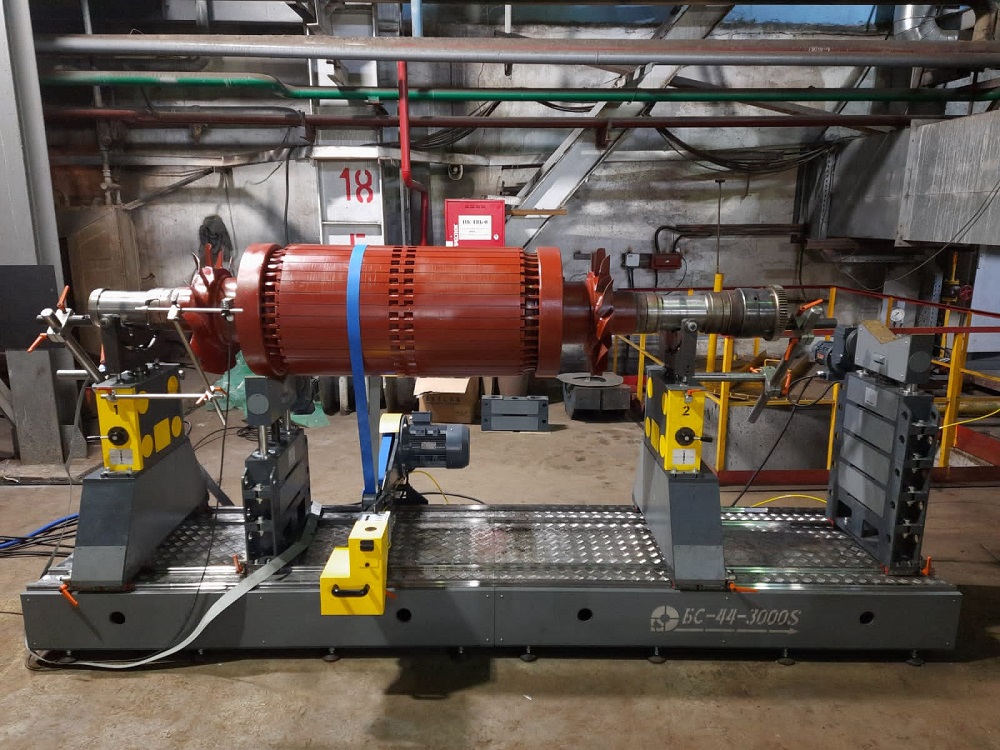
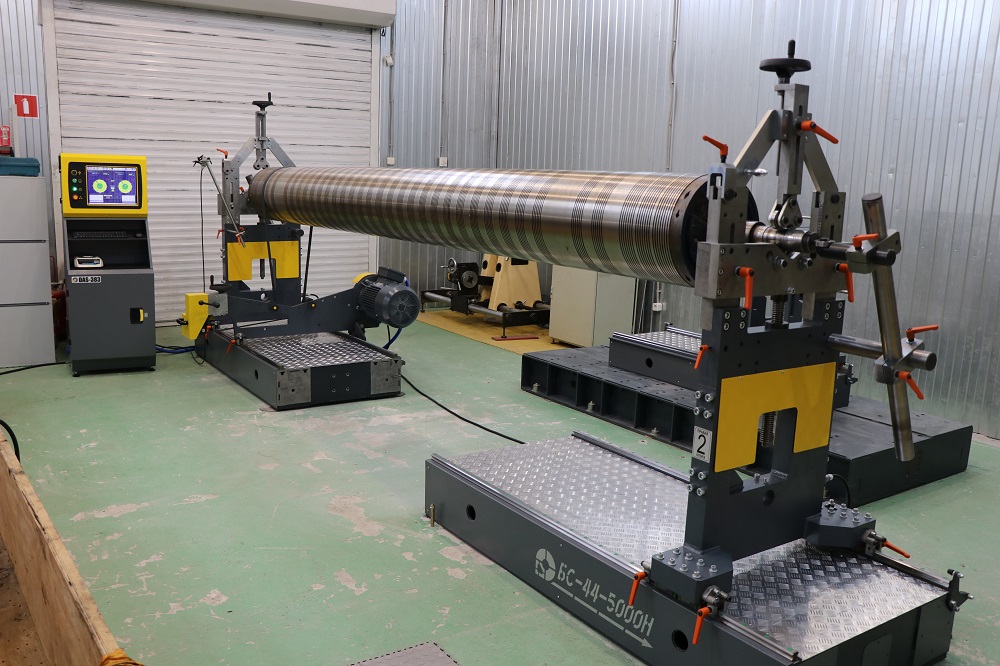
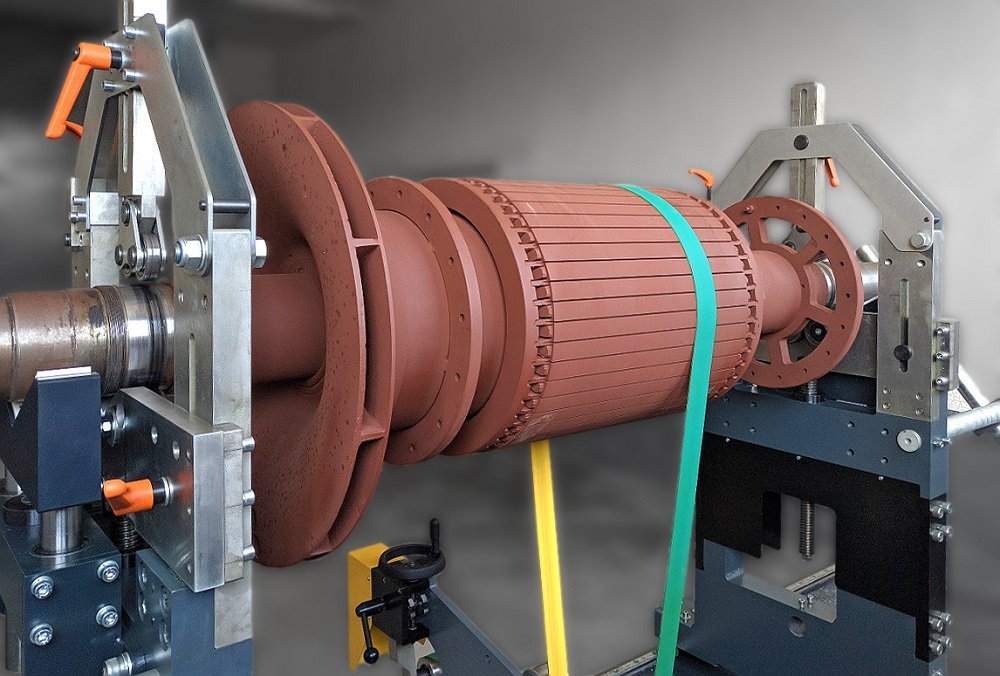
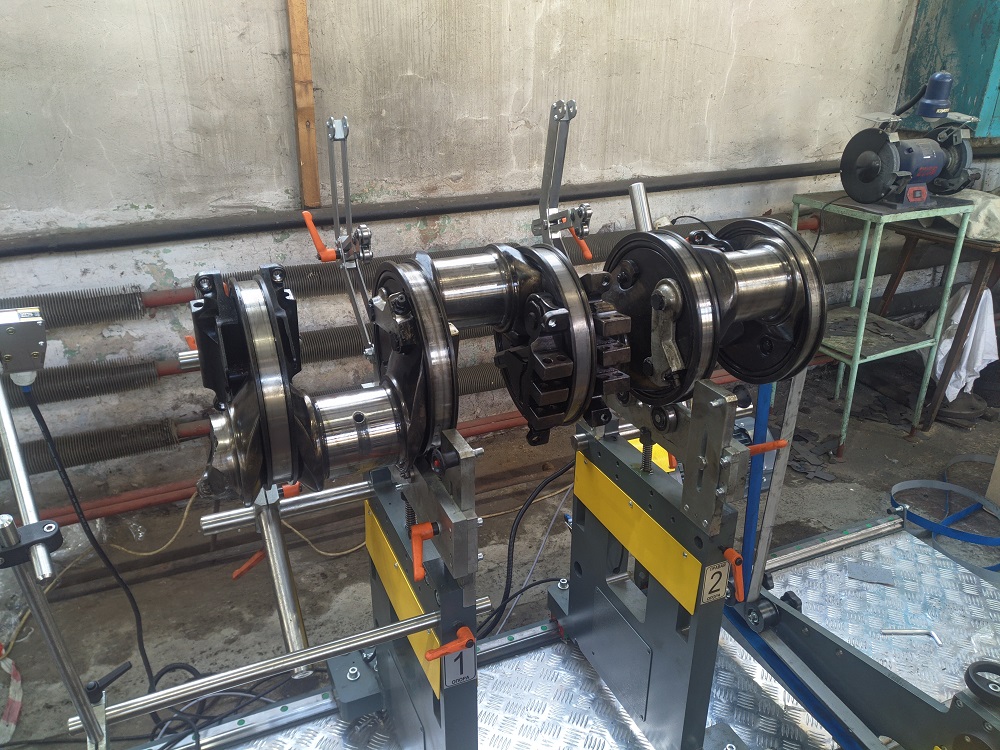
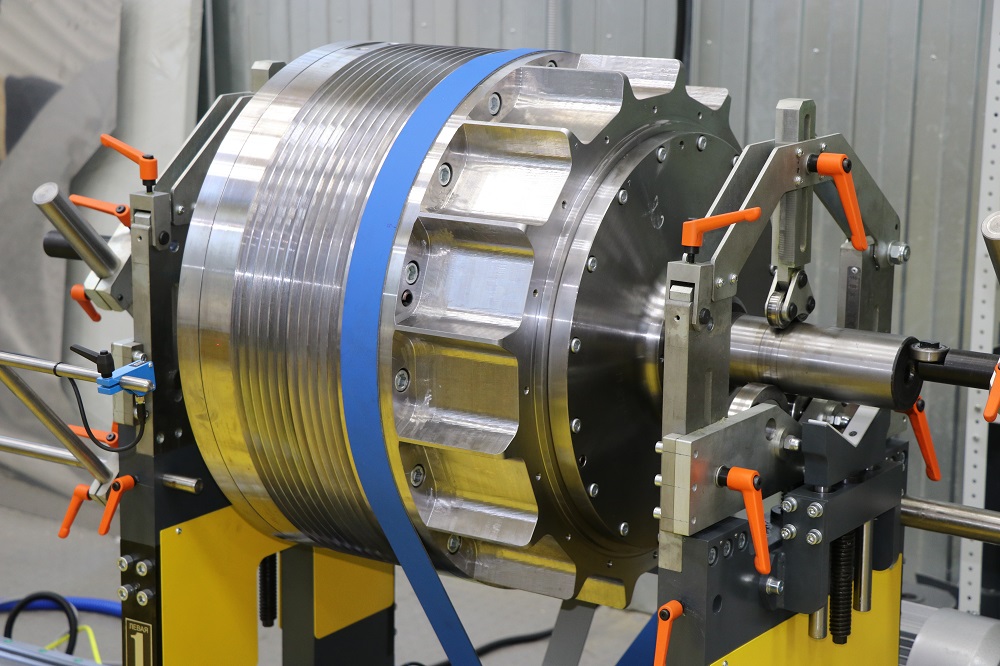
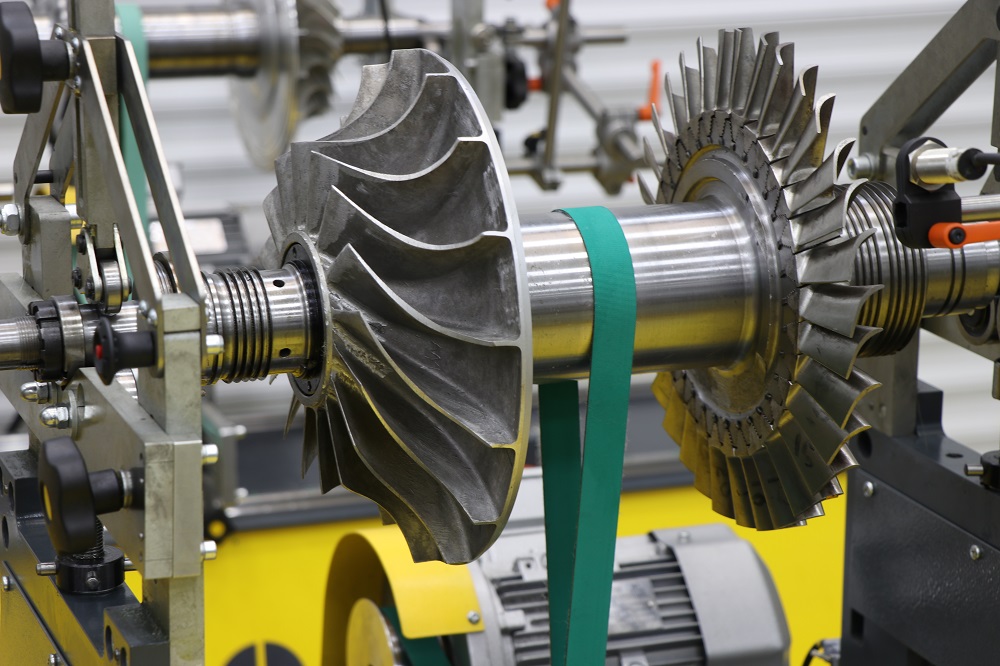
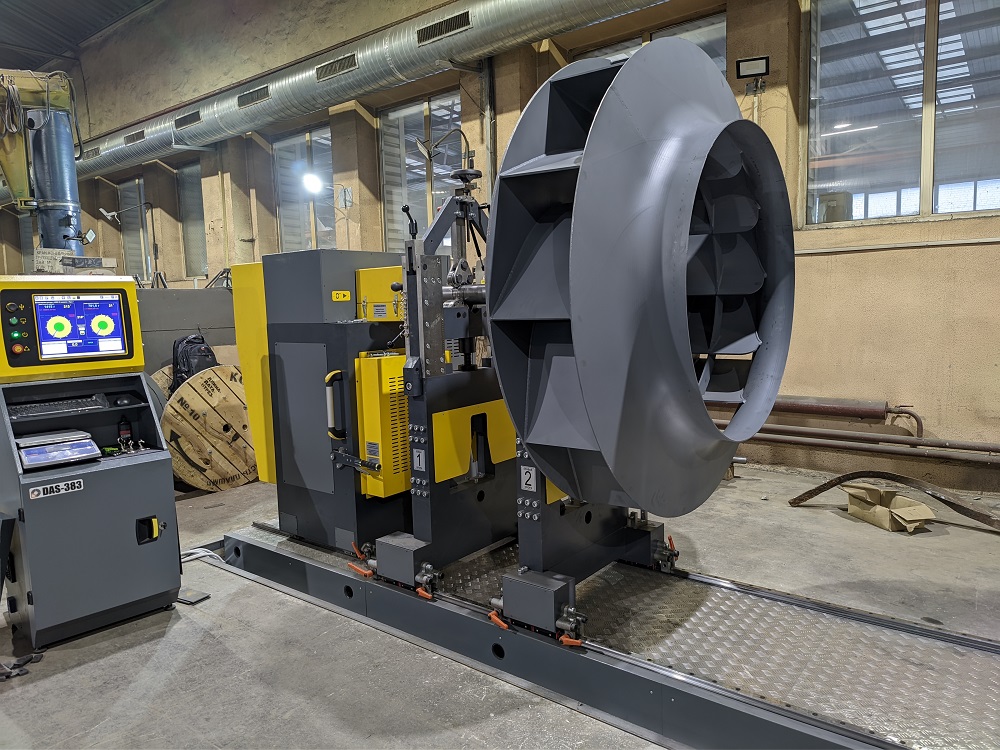
Vertical balancing machines of the BS-V series are designed for high-quality dynamic balancing of components such as:

Electric motor armatures

Machine and mechanism shafts

Electric motor rotors

Gear shafts

Crankshafts

Centrifuge drums

Turbocharger rotors (turbines)

Centrifugal pump impellers

Fan blades

Augers and shredders

Drive shafts

Agricultural machinery rotors

Pulleys

Equipment and Configuration

Configuration

Drilling Machine

Protective Shield

Laser Tachometer

Laser Printer

Advantages

  • The vertical axis of rotation allows for maximum speed in changing workpieces during serial balancing.
  • A set of adapters for the most common mounting diameters can be supplied with the machine.
  • Standard protective guard to ensure operator safety during balancing.
  • Welding operations can be performed directly on the machine.
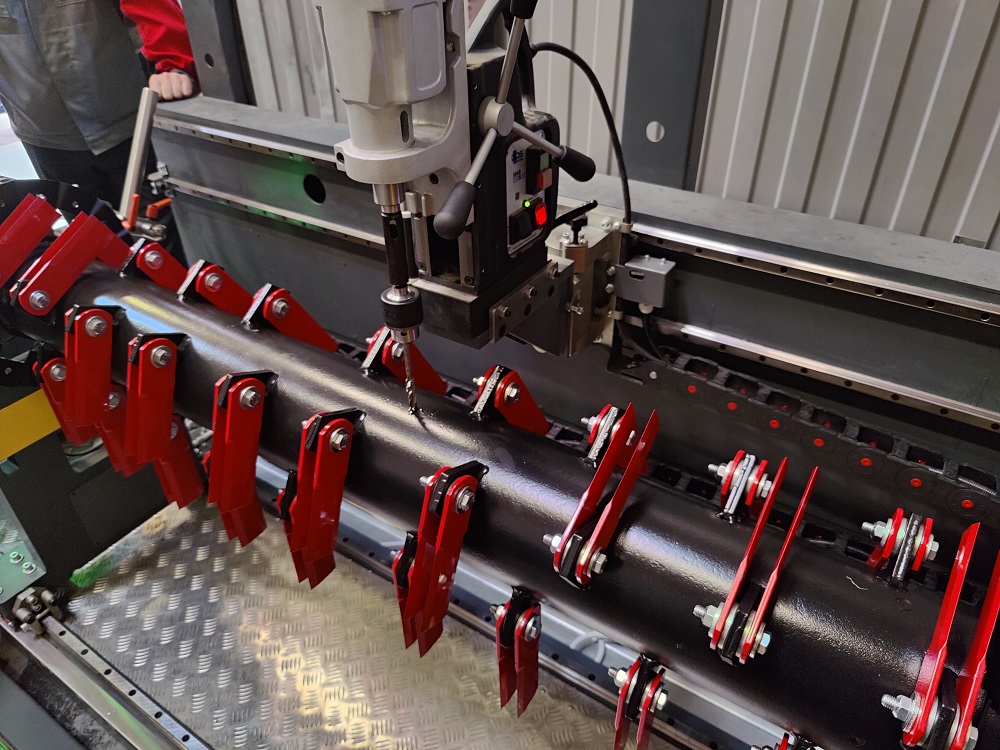
  • Retrofitting with a drilling unit for imbalance correction directly on the machine is possible.
  • All balancing machines are supplied with a high-quality vibration-damping base, allowing installation on a regular concrete floor. In rare cases, machine anchoring may be required.

Software

The "R-Bal V3.9" software, like the hardware, is developed by "PK Robals" LLC and is continuously improved. It features a simple, intuitive interface.

Software
  • Select the configuration of the rotor to be balanced based on the location of the correction planes relative to the supports (between supports, overhung, double overhung, to the left or right of supports).
  • Perform dynamic balancing in multiple planes simultaneously or in a single plane.
  • Convert imbalance from one set of planes to another, and from one correction radius to another.
  • Perform manual or automatic rotation of the rotor to a required angle, with the current position displayed on the screen.
  • Automatically generate a dynamic balancing report.
  • Set the number of signal averages based on the required balancing accuracy.
  • Calculate the permissible imbalance level based on known values of rotor mass and maximum operating speed. Set tolerances in various units (g*mm, g*cm, g*mm/kg, mm/s, µm).
  • Perform a rotor run-up (rotor spinning to align the axis).
  • Measure the amplitude during coast-down (run-out).
  • Use special correction modes (drilling, milling); the program calculates the number of holes required for imbalance correction.
  • Monitor rotation speed with an accuracy of 0.1 RPM and alert the operator of deviations from the initially set parameters.

Rotor Balancing Window

Rotor Balancing Window


Test Window

Test Window

Graph of Vibration Amplitude and Phase vs. Rotation Speed

Graph of Vibration Amplitude and Phase vs. Rotation Speed


Umar Test Sheet

Umar Test Sheet


Launch and Dynamic Balancing Skills Training
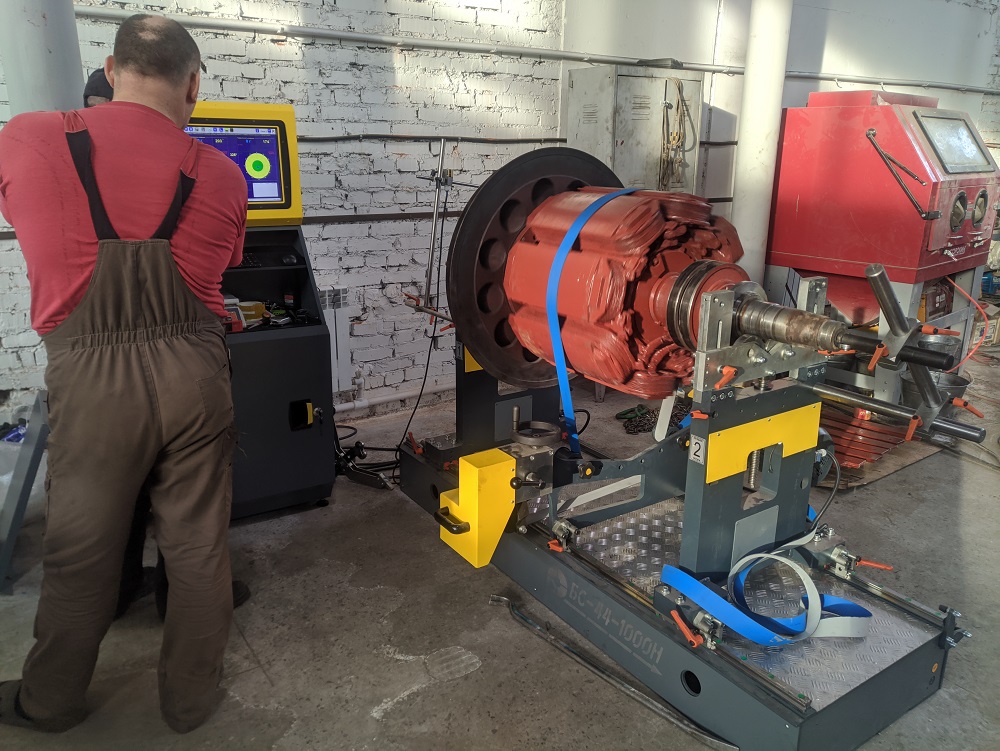
Launch and Dynamic Balancing Skills Training

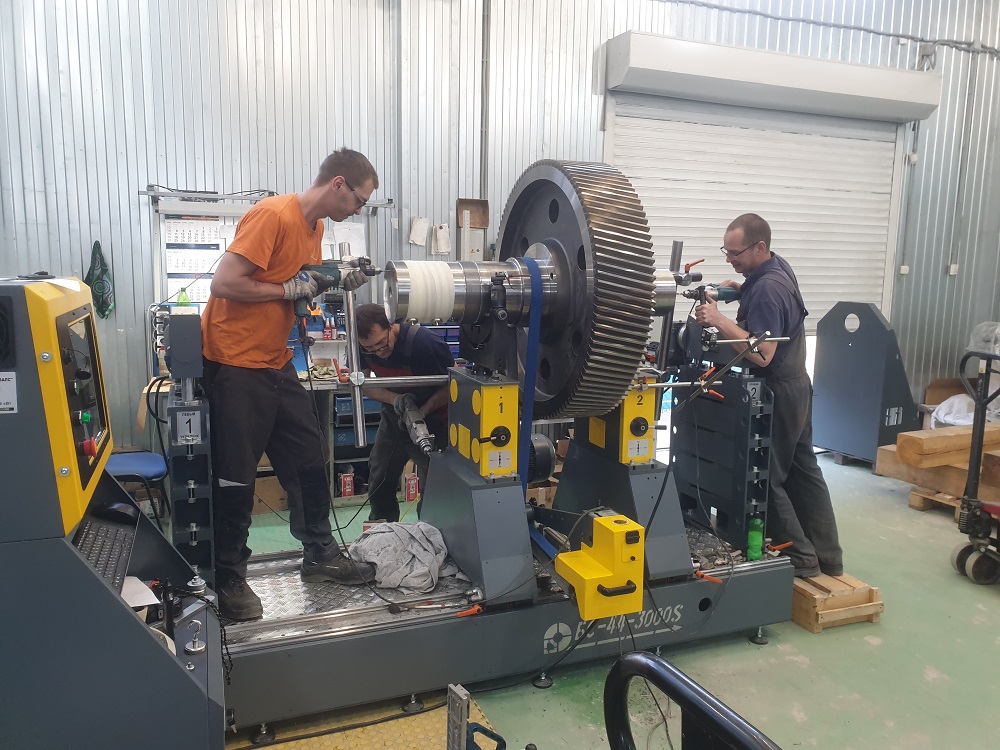
When purchasing a balancing machine, we provide two types of commissioning services: an on-site visit by a commissioning engineer and remote machine startup.

A modern balancing machine is complex equipment, and in conditions of a shortage of qualified personnel, high-quality specialist training is especially important. Therefore, we provide assistance in personnel training. During the training of a balancing machine operator, skills for working with the machine and the principles of rotor dynamic balancing are transferred.


An excellent reference tool for the machine operator is the "Balance Guide: Multimedia Course for Preparation to Work on a Balancing Machine" program. The media course consists of a series of videos that provide a brief description of terms used in the balancing process, describe types of rotors, causes and types of imbalance, main correction methods, outline safety measures when working with the machine, principles of interaction with the machine components, and describe all the functions of the software that controls the balancing machine.
The program can be used to review knowledge acquired during the commissioning works.
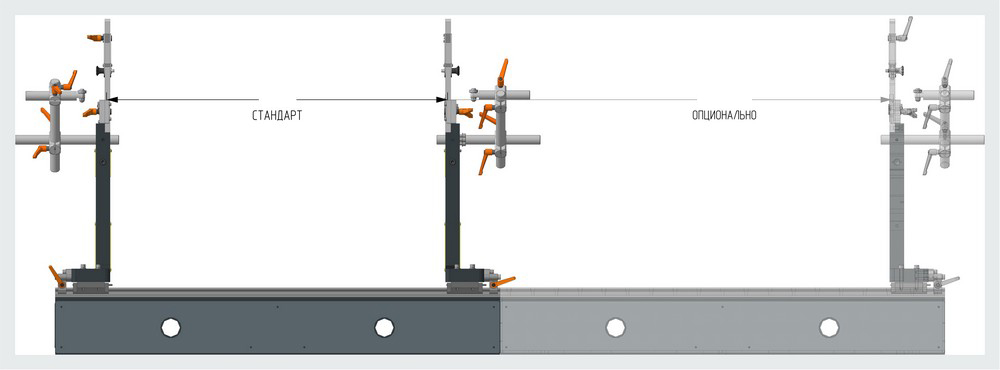
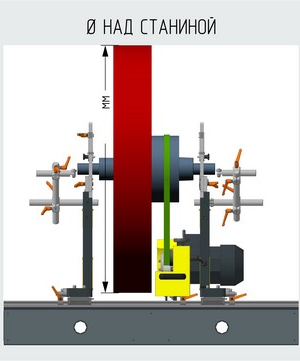
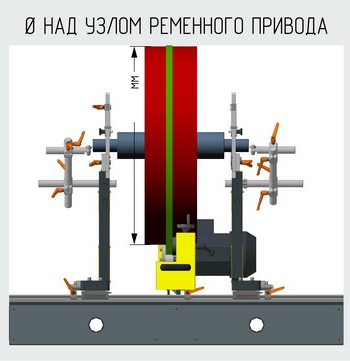
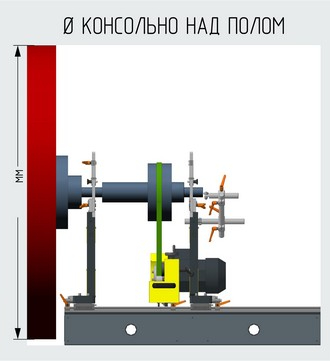
4 5 Расстояние между серединами опорных шеек ротора
1 Диаметр над станиной
2 Диаметр над узлом
3 Диаметр над полом консольно
Help
^